Julesburg, Colorado, is more than a town dotted with historic markers. A crossroads supporting multiple modes of westward expansion in the 1800s, Julesburg has relocated three times. Julesburg had ties to the Overland Trail, the Oregon Trail, the California Trail, the Pony Express, the country’s first transcontinental telegraph line, and the transcontinental railroad. Today, Julesburg is a quiet agricultural hub in Colorado’s far northeast corner. But pay close attention, because history echoes loudly here. As the site of a Colorado Welcome Center, Julesburg continues its tradition as a stop for travelers. For historic immersion, visitors can drive the South Platte River Trail Scenic and Historic Byway, visit Julesburg’s museums, and scout the town on foot for historical markers and buildings. This article will show you how to do all of it.
** Darla Travels is reader-supported.
When you buy through our links, we may earn a commission. **
Click to Book the Julesburg Cobblestone Inn & Suites
Or find another great place to stay :Introduction to Julesburg, Colorado
Julesburg, Colorado, is a small town in the far northeastern corner of the state, just south of the Nebraska border. Set on the north side of the South Platte River and just off Interstate 76, it is often called the “Gateway to Colorado” for travelers entering the state from Nebraska. Julesburg is the county seat of Sedgwick County.
The natural landscape around Julesburg is shortgrass prairie, with some mixed prairie grasses. Ranchlands, wheat fields, and other agricultural businesses around Julesburg have largely displaced the native grasses. Most trees in the area line the South Platte River riparian area, which is known for its wildlife viewing.
- Introduction to Julesburg, Colorado
- Visiting Julesburg, Colorado: A History-Focused Road Trip
- What to See at the Colorado Welcome Center
- Driving the South Platte River Trail Scenic and Historic Byway
- Visiting Julesburg’s Museums
- Downtown Julesburg Historical Walking Tour
- Nearby Historical Markers in Colorado and Nebraska
- Other Things to See and Do in Julesburg, Colorado
- Where to Stay and Eat in Julesburg, Colorado
- Pin It for Later – Julesburg History Visit
- Wrapping Up a History-Themed Visit to Julesburg, Colorado
Why Julesburg Matters in Western History
Julesburg, founded in 1859 (or earlier), was a crossroads town shaped by the overland wagon trails, stagecoach traffic, the Pony Express, the telegraph, and railroads. One of the most surprising parts of Julesburg’s history is that today’s town is the fourth community to bear the name. Over several decades, Julesburg relocated three times in response to conflict and changing transportation modes and routes.
Julesburg: Timeline of Major Events and Relocation
I’ve tried to make this timeline compact, but it still runs long. Trust me, it will all make sense once you’re exploring Julesburg.
Before the 1800s: The area was a favored hunting and camping ground of the Cheyenne, Sioux, Pawnee, and Arapaho peoples.
1739. French traders Pierre and Paul Mallet followed the South Platte River, the first Europeans to document the region.
1803. The Louisiana Purchase brought the South Platte Valley into U.S. territory.
Julesburg 1
1850s. French-Canadian trapper Jules Beni set up a trading post and saloon on the south side of the Platte River at the Upper California Crossing, between the present towns of Ovid and Julesburg. At the confluence of Lodgepole Creek and the Platte River, the Crossing was a key junction on the network of overland trails heading to western destinations. These routes included the Oregon Trail, the Central Overland Emigrant Route (also known as the Overland Trail), and the California Trail. Beni’s trading post became a stopping place for emigrants, traders, and travelers.
1858-1859. Following the 1858 Colorado gold rush, traffic increased further, and settlers arrived. Beni constructed new buildings, namely, a warehouse, blacksmith shop, and stable. The trading post morphed into a town known as Julesburg (Julesburg 1).
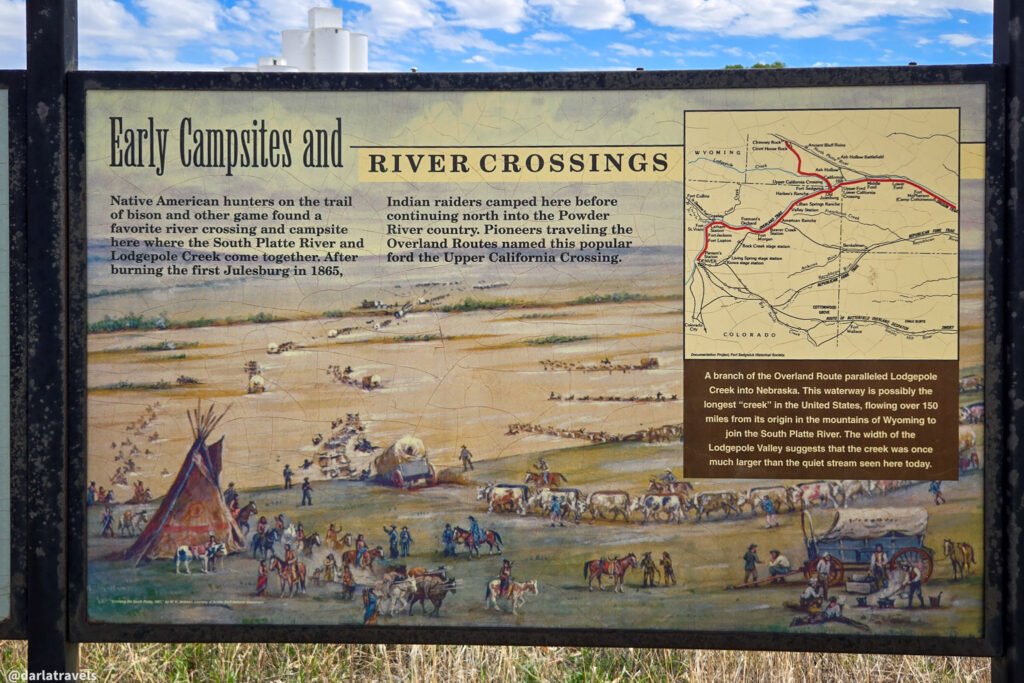
1859. The Julesburg Cutoff became a diversion point on an alternate California Trail route; travelers could continue along the south side of the Platte River. The growing settlement also became a stagecoach station on the Leavenworth & Pike’s Peak Express route. The freighting firm Russell, Majors & Waddell backed the venture and made Jules Beni the Julesburg stationmaster.
1860. Beni’s supervisor, Joseph “Alfred” Jack Slade, arrived in Julesburg and fired Beni for suspected corruption, including horse theft and organizing stagecoach robberies.
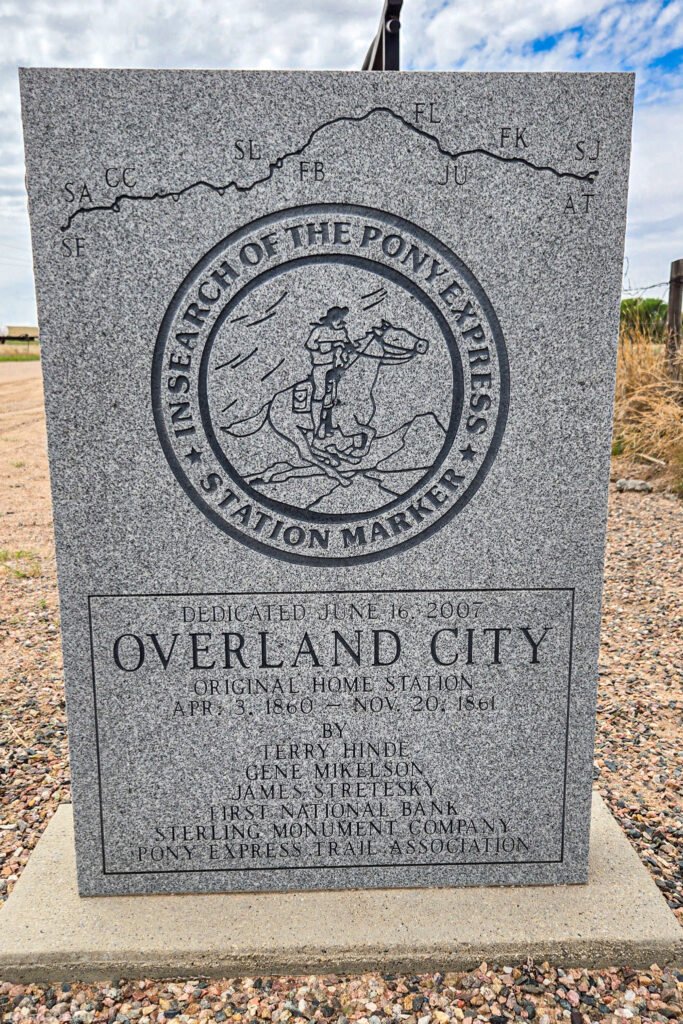
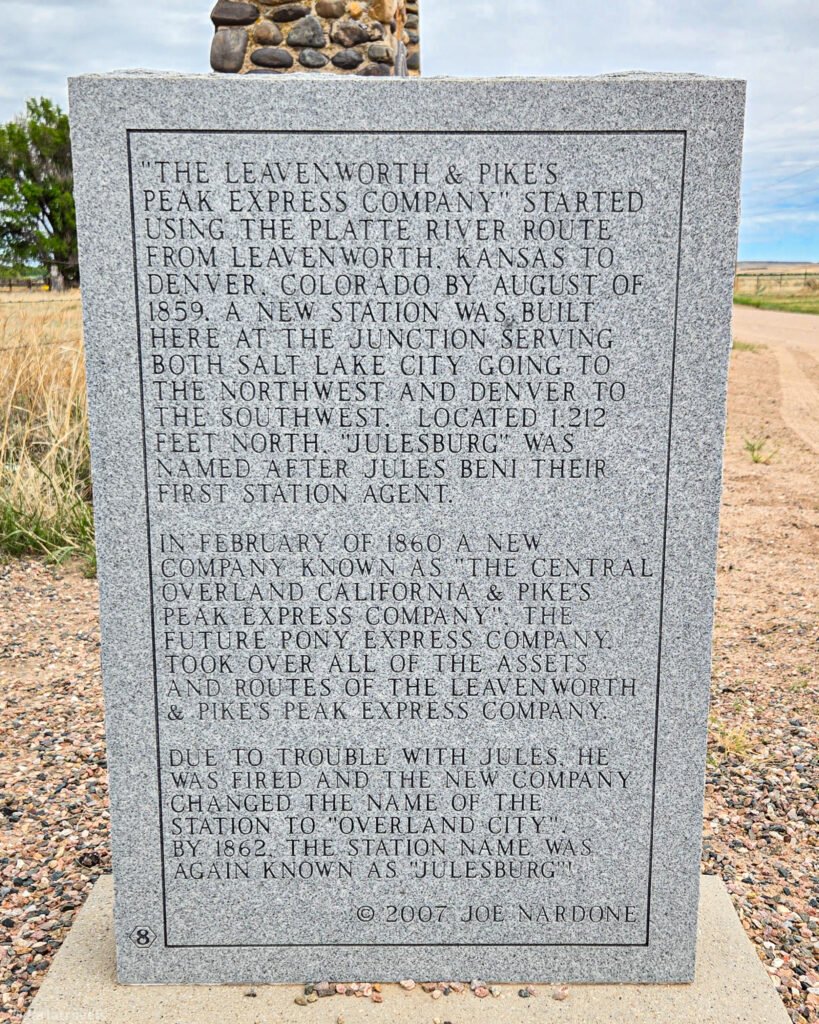
April, 1860. With Slade in charge of the division, the legendary Pony Express mail delivery service launched. Julesburg was renamed “Overland City”, but it didn’t stick.
Beni had ambushed Slade with a shotgun just three weeks prior, but Slade survived! After that, Beni was “encouraged” to leave Julesburg, and he did.
FUN FACT: American writer Mark Twain met Slade at the Julesburg station on a journey west. He wrote about this visit and mentioned Slade specifically in Roughing It in 1872.
August, 1861. Jules Beni was ambushed and fatally shot by Jack Slade or Slade’s men. Beni’s death ended the ongoing rivalry and history of mutual violence between Beni and Slade. The precise circumstances of Beni’s death remain disputed.
September 18, 1861. The Missouri & Western Telegraph line was extended from Fort Kearney, Nebraska, to Julesburg to prepare for the construction of a transcontinental telegraph line.
September – October, 1861. Edward Creighton and the Pacific Telegraph Company further extended the eastern section of the first transcontinental telegraph westward from Julesburg toward Salt Lake City. At the same time, the Overland Telegraph Company was building a telegraph line eastward from California.
October 24, 1861. The Overland Telegraph Company’s western line reached Salt Lake City and connected to the Pacific Telegraph Company’s eastern section, completing the first transcontinental telegraph line.
October 26, 1861. The Pony Express, made obsolete by the Transcontinental Telegraph, ceased operations. (Mail already in transit continued to travel the route into November).
May 1864-January 1865. In May, Julesburg Post was established near Julesburg in response to attacks by Native American tribes. Military personnel stationed at the sod corral protected the telegraph lines and stage stations, and kept the Overland Route open for commerce and travel. After construction improvements, the facility was renamed Camp Rankin and later became known as Fort Rankin.
February 2, 1865. The Native American warriors returned, looted remaining supplies, and torched all the buildings in the town. Julesburg burned to the ground and was effectively destroyed.
Julesburg 2
September 1865. Fort Rankin is renamed Fort Sedgwick after Major General John Sedgwick, a Union Army commander killed in the Civil War.
Spring 1866. Former Julesburg residents establish a new town (Julesburg 2) about three to four miles (4.8-6.4 km) east of the old location, outside the Fort Sedgwick boundary and on the south side of the Platte River. Local legend says the civilian location let residents sell whiskey to soldiers.
Julesburg 2 remained an active stagecoach station.
Julesburg 3
June 1867. Union Pacific railroad construction for its transcontinental route approached Julesburg 2, but on the opposite (north) side of the Platte River.
Spring 1867. Residents abandoned Julesburg 2 and established a third Julesburg along the Union Pacific route. The new location was about 2.5 to 4 miles (4-6.4 km) north of Julesburg 2 on the north side of the Platte River.
This version of Julesburg, Julesburg 3, earned the nickname of the “Wickedest City in America.” It boomed into a violent “end of track” railroad camp where residents walked the streets fully armed. Saloons, gambling establishments, and houses of prostitution thrived in the 3,000-to 5,000-resident town.
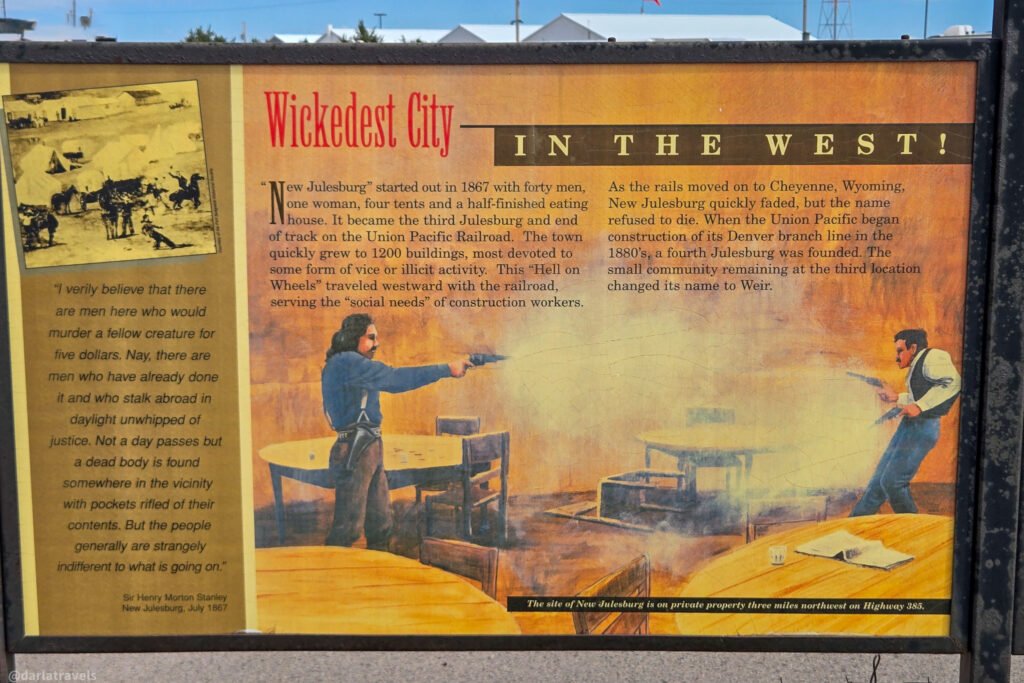
Fall 1867. With work done at Julesburg, the Union Pacific railroad crew departed for Cheyenne, Wyoming. (The transcontinental railroad is completed in 1869).
Julesburg 4
1871. Fort Sedgwick is closed and subsequently dismantled. The end of major conflicts between Plains Tribes and US Forces, coupled with the completion of the transcontinental railroad and other rail lines, rendered the fort obsolete.
1881. The Union Pacific connected its Denver branch to the transcontinental route about four miles (6.4 km) east of Julesburg 3. It was time for Julesburg to move again.
1886. Julesburg 4, the final Julesburg, completed incorporation. Although the town was initially called Denver Junction, it quickly reverted to Julesburg. By this time, Julesburg 4 had become a stable agrarian community. Beyond the railroad, huge swaths of land in the high plains supported cattle ranching and dryland farming of multiple crops.
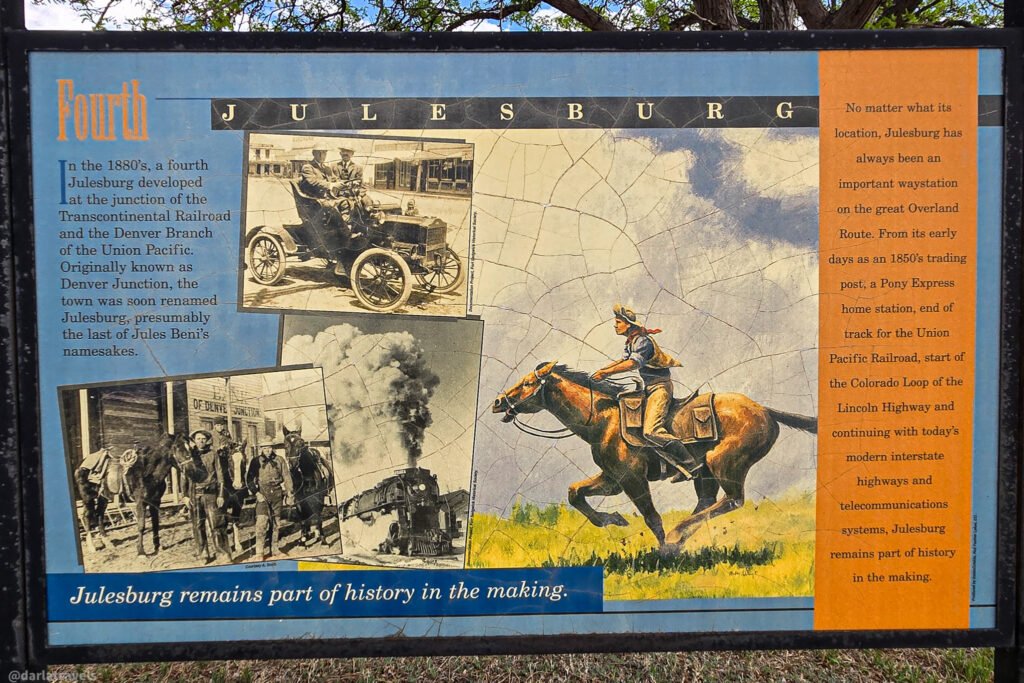
1889. Sedgwick County was created, with Julesburg as the county seat.
1920s to 1930s. A sugar beet boom drove the area’s farm economy, and Union Pacific opened a new passenger and freight depot in 1930.
1971. Julesburg lost its passenger rail service after Amtrak took over nationwide from private companies.
Visiting Julesburg, Colorado: A History-Focused Road Trip
Today, Julesburg is a quiet town that serves as an entry point into Colorado for travelers arriving from Nebraska. The driving distance from Julesburg to Denver, CO, is about 184 miles (296 km) and takes roughly 2 hours and 40 minutes via I-76 West.
Union Pacific Railroad still owns the tracks adjacent to Julesburg, and several freight trains pass through the town every day, carrying everything from grain and coal to intermodal containers.
How Much Time Should I Spend in Julesburg for a History-Focused Visit?
Day Trip Stop. If you only have a short time in Julesburg, you can stop in town to see historic buildings and markers, or drive the South Platte River Trail Scenic and Historic Byway. Allow at least 30 minutes for each activity. History buffs should allow more time to stop and read interpretive signs.
Day Trip or Overnight Stop. With a little more time, you can visit Julesburg’s museums and take a short walking tour of downtown.
Trail-Driving Hub. For a broader view of history in the Julesburg area, you can drive to nearby towns such as Chappell, NE (20-minute drive); Big Springs, NE (15-minute drive); Brule, NE (25-minute Drive); and Sidney, NE (50-minute drive). These routes include some roadside historic markers.
To get started with your orientation to Julesburg, begin at Julesburg’s Colorado Welcome Center, just off Highway 76 at Exit 180.
What to See at the Colorado Welcome Center
The Colorado Welcome Center in Julesburg (20934 Co Rd 28) is a practical stop and a great place to learn more about Julesburg and its history. You may find hours posted online, but the official website indicates that visitors should call (970) 474-2054 for current hours.
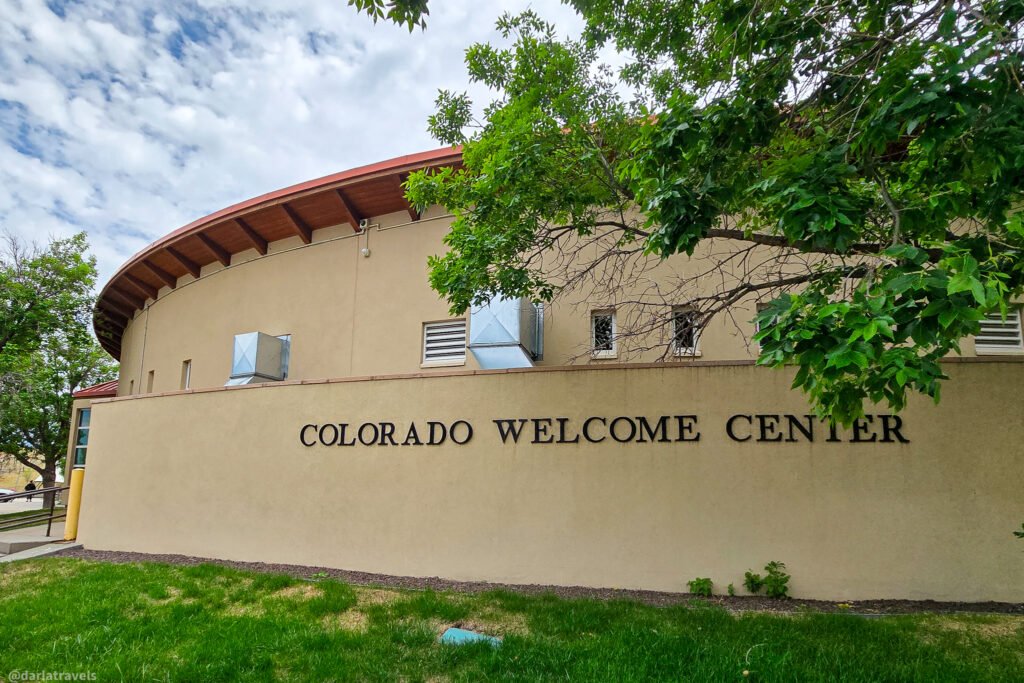
On the utilitarian side, the Welcome Center has clean restrooms and hot coffee. And if you’re headed west (or south), you’ll find a plethora of tourist brochures and literature for destinations throughout Colorado. The knowledgeable staff is willing to help and answer any questions.
Outside the building, a half-mile (0.8 km) walking trail around the Welcome Center grounds lets you stretch your legs. Teepee-covered picnic tables await those who want to stay longer.
Julesburg and the Pony Express
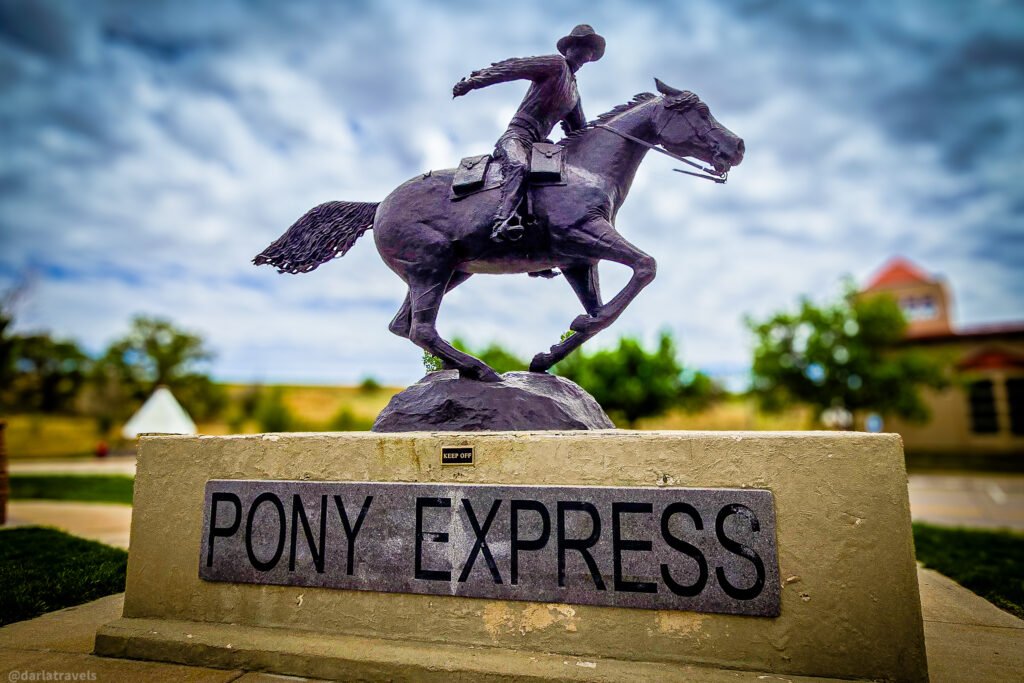
The Welcome Center’s standout historical attraction is the larger-than-life Pony Express Rider Monument, which commemorates Julesburg as a home station on the Pony Express Mail Route. Officially, the Pony Express was called the Central Overland California & Pike’s Peak Express Company. The firm Russell, Majors & Waddell ran it.
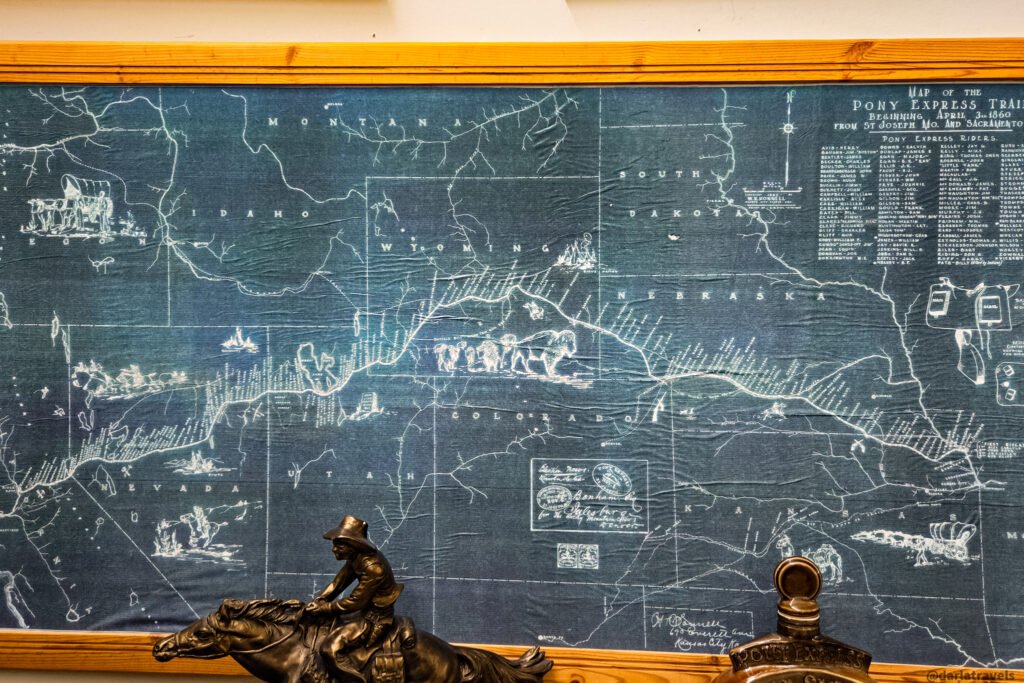
The Pony Express carried mail between St. Joseph, Missouri, and Sacramento, California, faster than stagecoaches. Men (men, not women) rode relay horses carrying mail bags (mochilas).
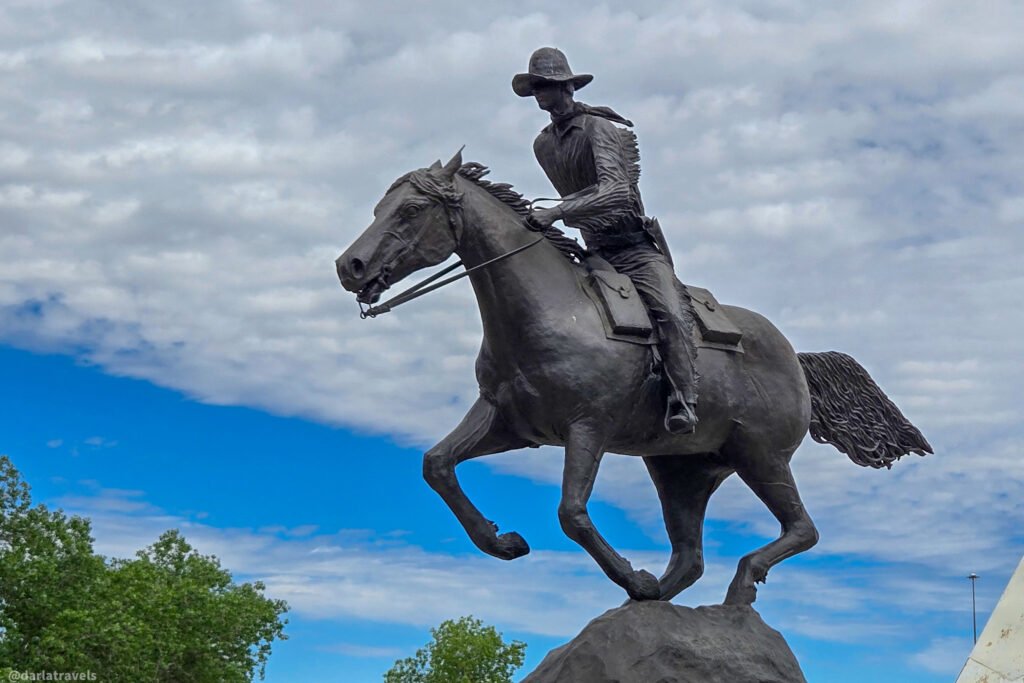
Julesburg (Julesburg 1) was the only Pony Express home stop in what would become the Colorado Territory, and later the state of Colorado. Home stations kept horses and housed riders between shifts. Note: Julesburg 1 was not at this monument site; it was across the Platte River near present-day Ovid.
The Pony Express operated from April 3, 1860, to October 26, 1861, only 18 months. While short-lived, it became legendary and, to this day, deserved or not, it evokes a romantic view of the “Wild West.” This Pony Express Monument conjures up that sentiment.
Historical Markers at the Colorado Welcome Center in Julesburg
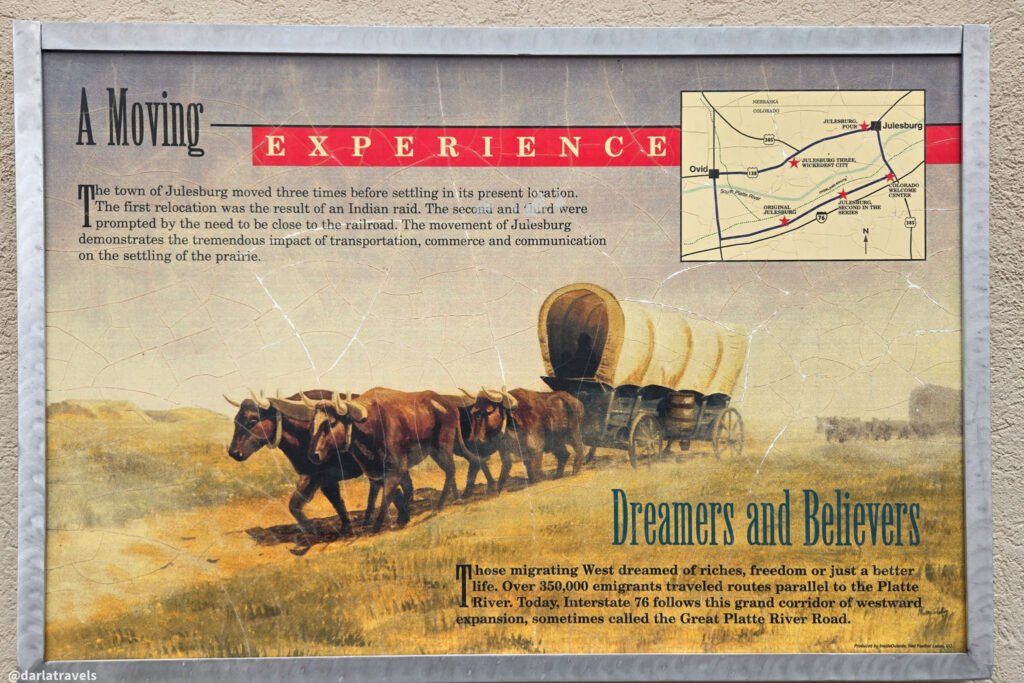
Several interpretive signs at the Colorado Welcome Center describe various aspects of Julesburg’s history and culture. A few examples include “Pony Express, Telegraph and Railroad,” “Water, Lifeblood of the West,” and “A Moving Experience” (chronicling Julesburg’s three relocations).
A stop at the Colorado Welcome Center is literally just the beginning of a historical exploration in Julesburg. The Welcome Center serves as the departure point of the 19-mile (30.6 km) South Platte River Trail Scenic and Historic Byway.
Driving the South Platte River Trail Scenic and Historic Byway
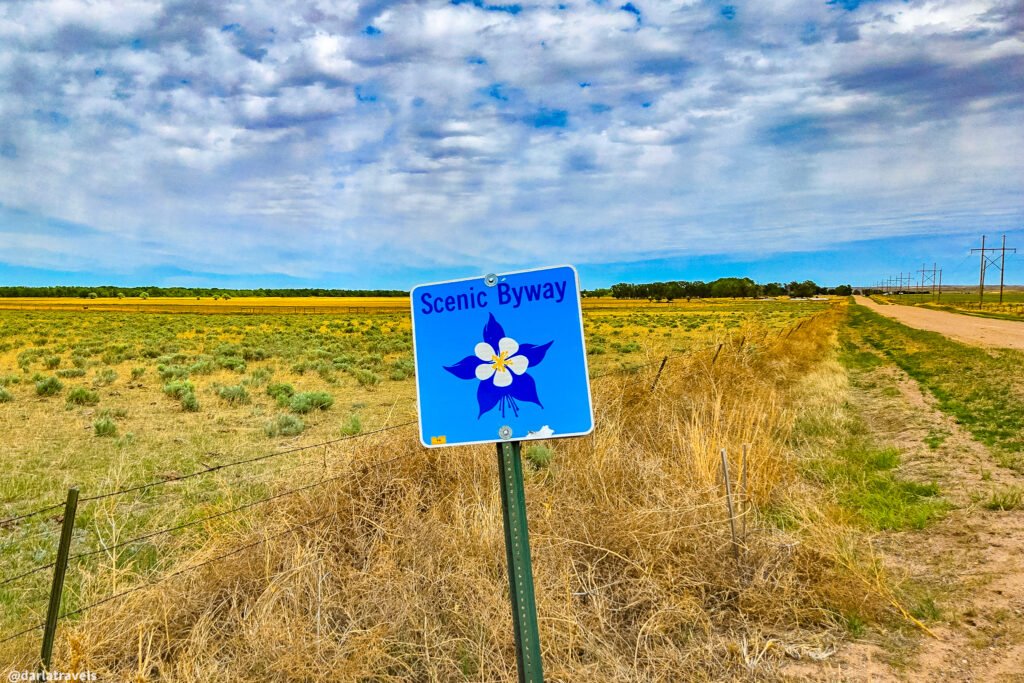
The South Platte River Trail Scenic and Historic Byway preserves and showcases the Julesburg area’s role in 19th-century westward expansion. The shortest Scenic Byway in Colorado by distance, this loop route features extensive signage detailing four Julesburg sites, the Pony Express, the railroads, Fort Sedgwick, and a few other surprising stories.
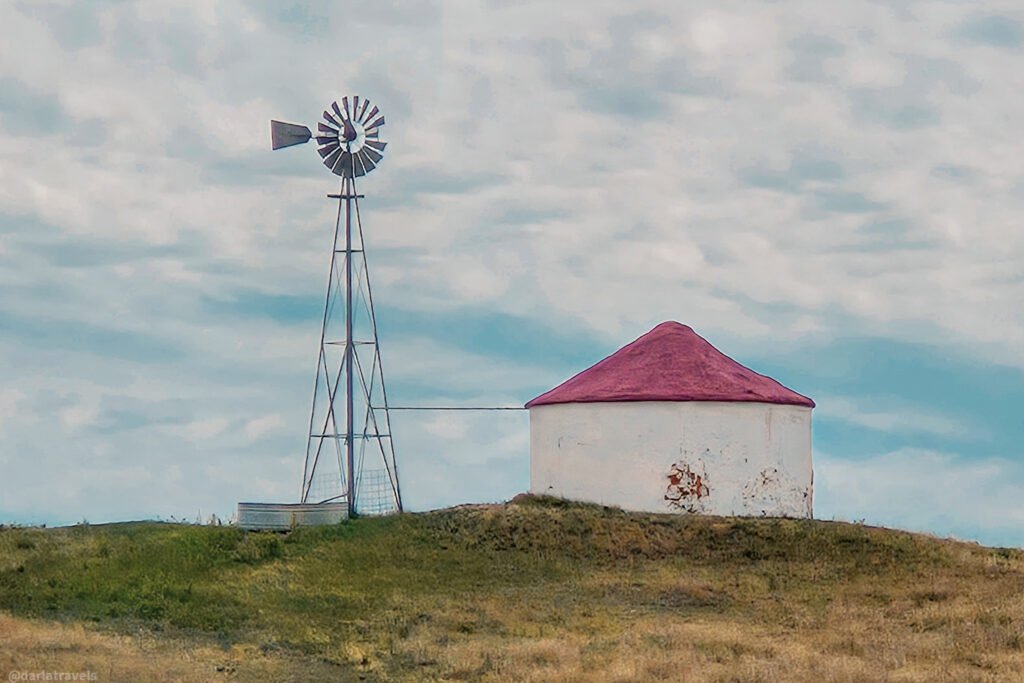
The route includes 7 miles (11.3 km) of gravel road on County Road 28; the rest is paved. On my trip to Julesburg in April, I found the gravel road easy to drive and very well maintained. Pullouts at the interpretive signs make it easy to stop.
Mobile Audio Tour of the South Platte River Trail Scenic and Historic Byway
Get more out of your drive along the South Platte River Trail Scenic and Historic Byway with the TravelStorys mobile audio tour app. You focus on the driving, and the GPS-triggered narration plays automatically as you approach a story location. I found the free “South Platte River Trail Byway” tour valuable and interesting because it complemented the Byway’s interpretive signs and historic stops. Remember to download the app and tour before setting out so you can listen without cell service.
Bonus Tip: Another audio driving tour I enjoyed in the region was Northeast Colorado: Life on the Prairie.
Map of the South Platte River Trail Scenic and Historic Byway
This map shows the Byway route starting at the Colorado Welcome Center.
The Byway is the blue line on this map. All of the historical markers on the Byway (to the best of my knowledge) are shown–plus a few bonus stops in Nebraska. Following are a few highlights that I found especially interesting and intriguing.
Overland City and Pony Express Markers
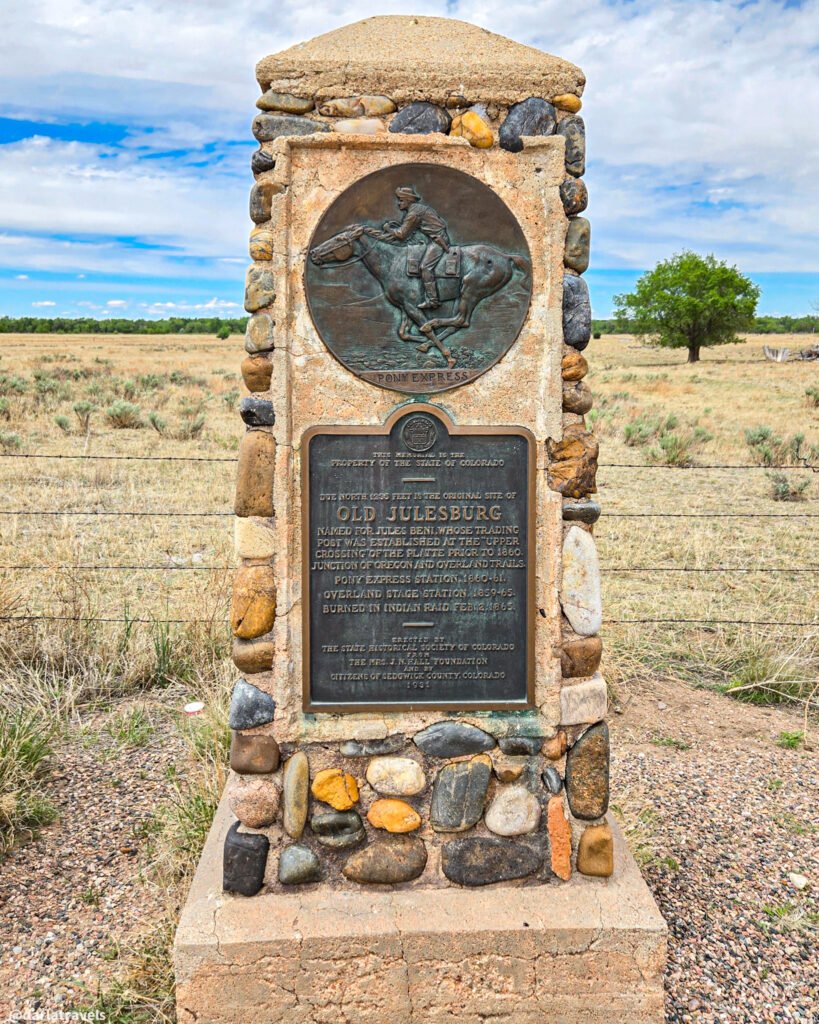
Two markers on the side of County Road 28 explain the location of Old Julesburg (Julesburg 1) and note the Pony Express Route. Next to these is a grey stone marker for the Pony Express Overland City Home Station.
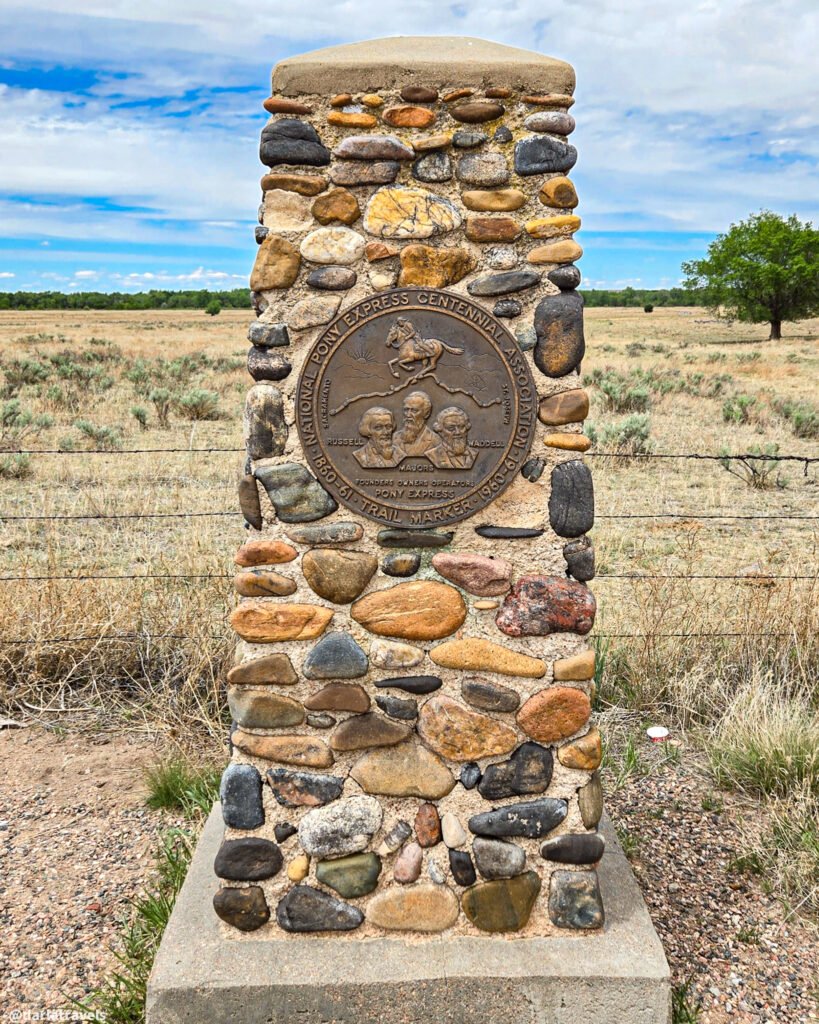
Markers in Ovid
The Byway makes a right turn at Main and Saunders Ave./CO 138 in Ovid, Colorado. Ovid, originally named Morgan, began as a water stop on the Union Pacific Railroad’s Denver Line.
Interpretive signs on the right side of Main Street (just before 220 Main Street) help to anchor Ovid’s place on the byway.
Pony Express Markers in Ovid
The Post Office (231 Main St.) has a circular Pony Express Marker on the front of the building, left of the door. Near the street corner, a brick pedestal with a metal plaque marks the location of the Upper California Crossing used by westward-bound travelers and Pony Express riders. The plaque also indicates Ovid was incorporated here in 1925.
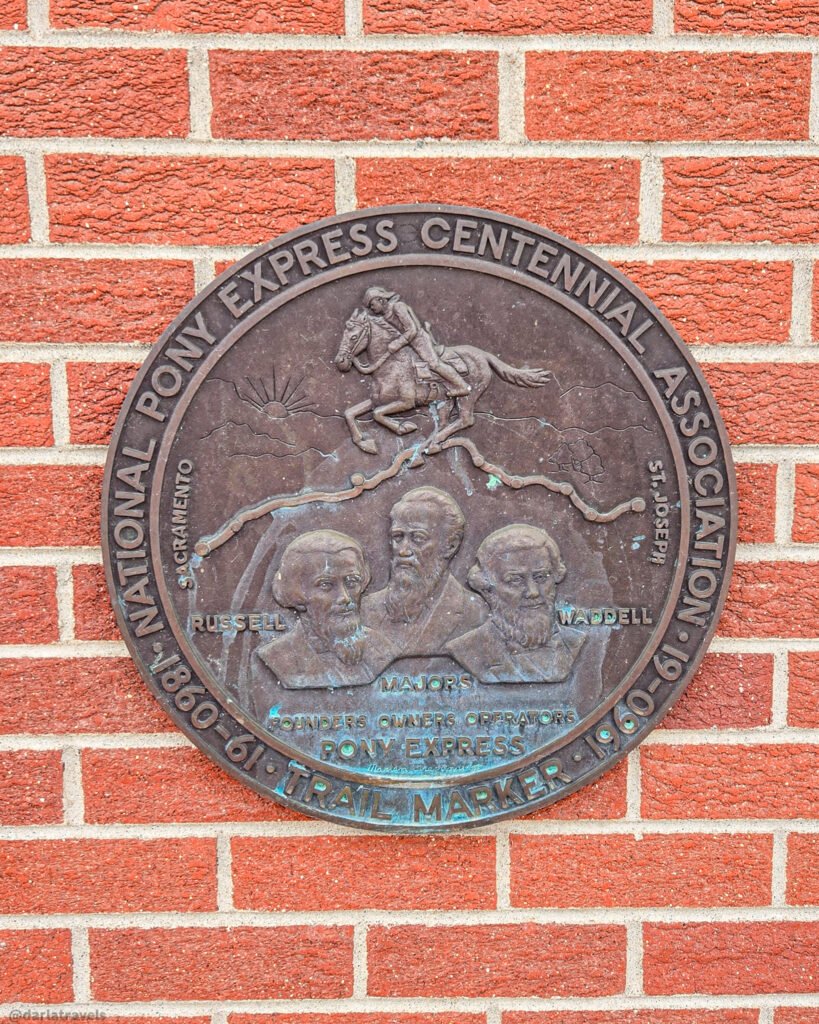
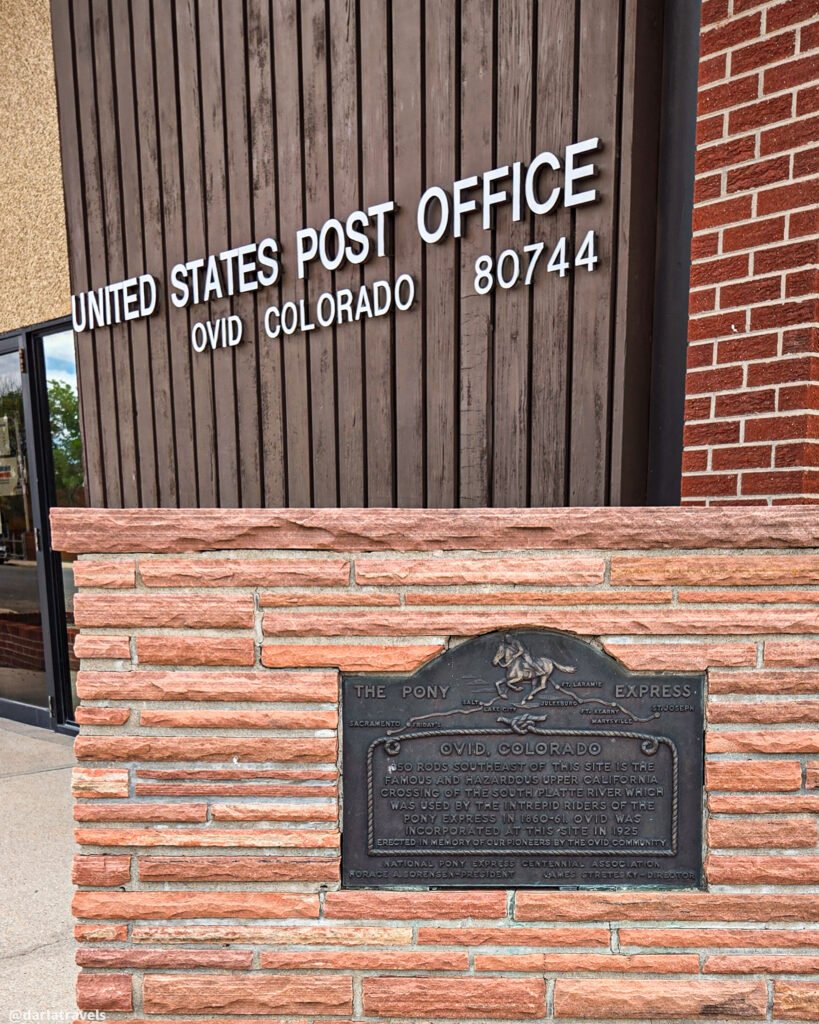
From this spot, you can also see the large mural on the side of the former Luna’s Bar and Grill (217 Main St.).
Other things to see in Ovid
While you’re in Ovid, it’s worth a very short detour to see a few more sights. Two blocks north of the Byway, at the intersection of Main and Morgan, you’ll see the impressive Revere Junior-Senior High School (Ovid High School), built in 1928 and designed by Colorado architect Temple Buell. It’s said to reflect a “unique blend of Art Deco architecture with a rural landscape-based design.”
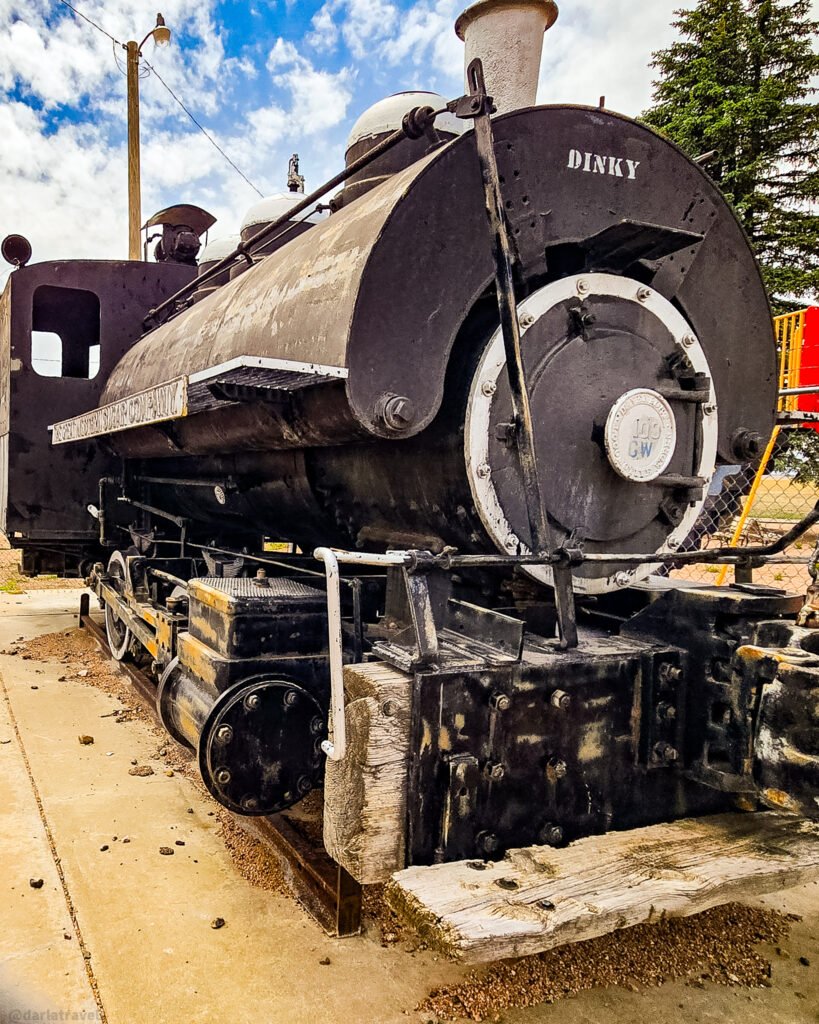
Just across the street at the corner of Ovid Town Park, a small locomotive sits behind a fence. Known as “The Dinky,” this miniature engine pulled railroad cars at the Great Western Sugar Company factory from 1942 to its closure in 1985.
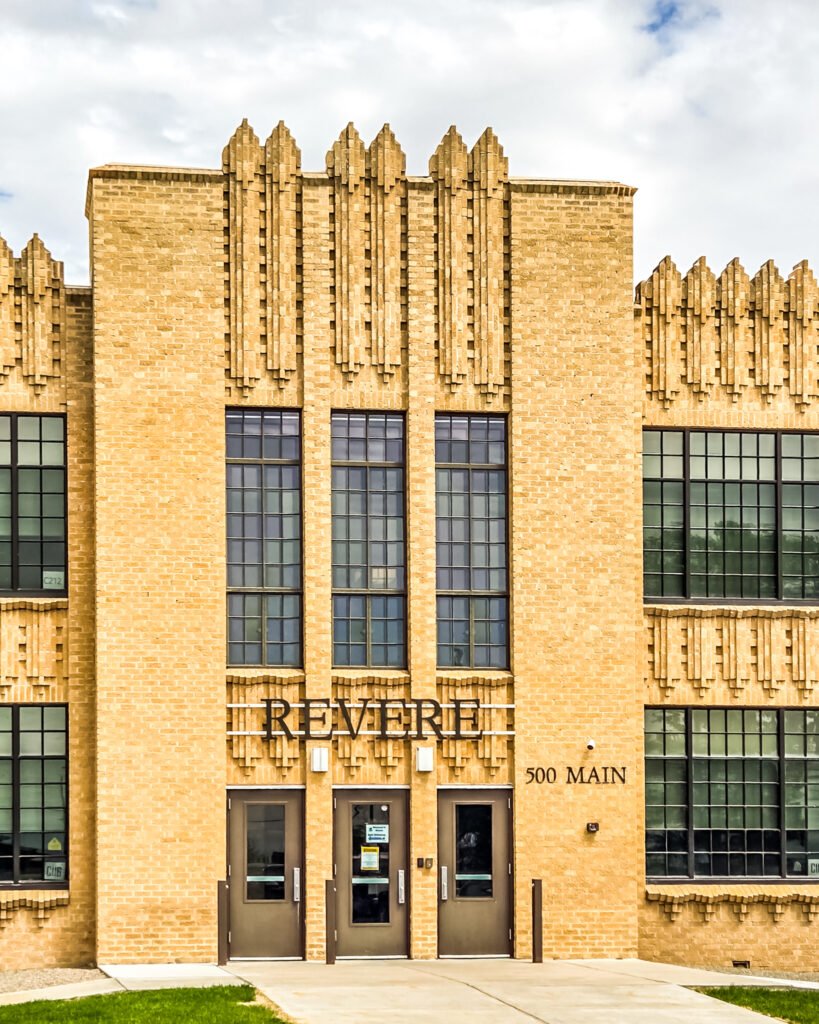
Fort Sedgwick Marker in Ovid
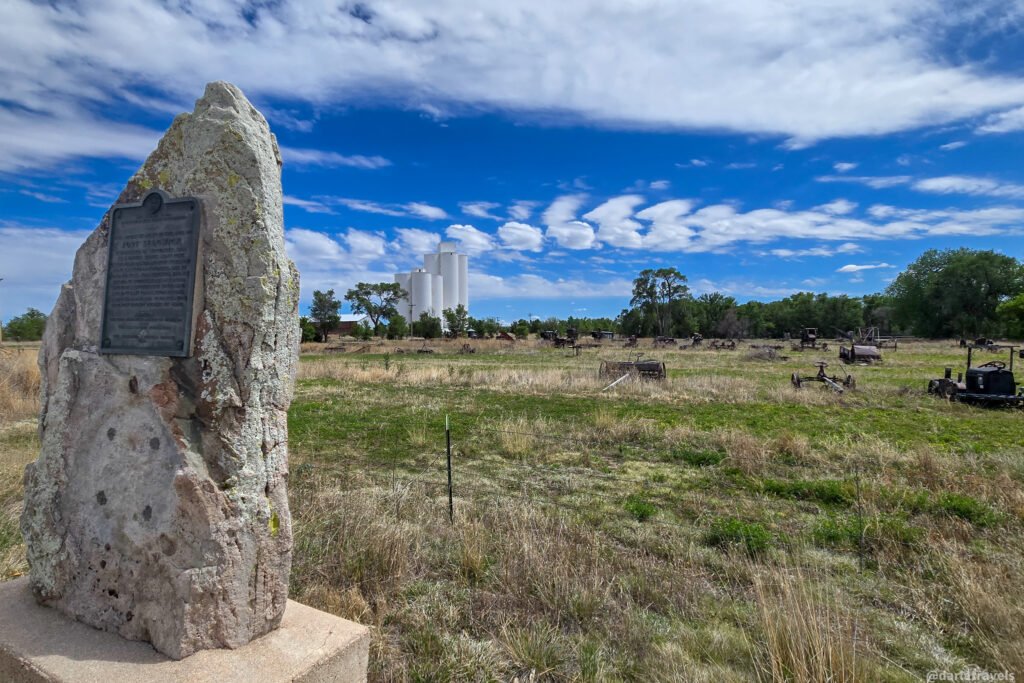
Returning to the Byway, head east on Saunders Ave./ CO 138. Just outside of town, look for the Fort Sedgwick marker on the right side of the road. Fort Sedgwick was torn down and dismantled in 1871, so there’s no building to see here, just a tall stone marker.
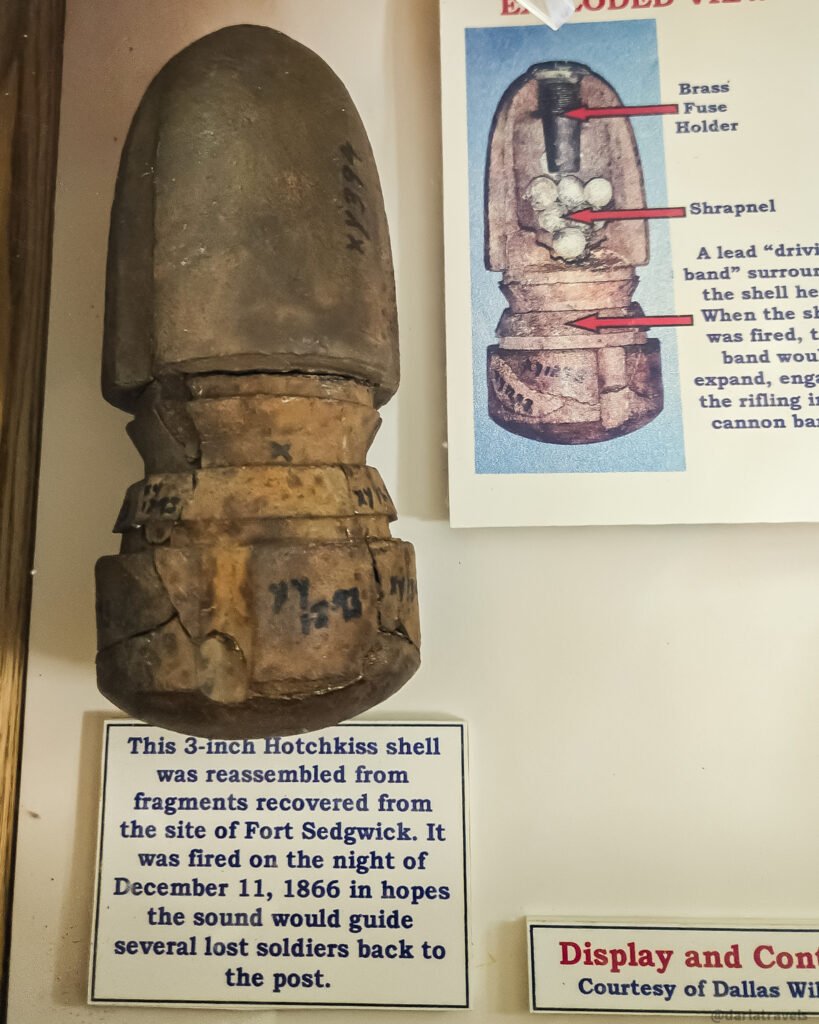
The Fort Sedgwick Museum in downtown Julesburg displays some artifacts found on the former Fort Sedgwick grounds.
Fun Fact: In the film Dances with Wolves (1990), Lieutenant John Dunbar, played by Kevin Costner, is stationed at the abandoned Fort Sedgwick during the American Civil War. But the army post wasn’t named “Fort Sedgwick” until after the end of the Civil War, in 1865. Plus, the movie wasn’t even filmed near Fort Sedgwick or anywhere in Colorado.
There are also some interpretive signs here. Behind the marker, rusting antique agricultural equipment sits in a field. The silos of the former Great Western Sugar Company are also visible in the distance.
The Overland Trail and Oregon Trail Connection
On 1st Street in Julesburg, look for these historic markers and signs. You may want to park and leave your car for a better look. These markers are also included in the Julesburg Historic Walking Tour described BELOW.
- Pony Express Marker in front of the old railroad depot building, now the Depot Museum.
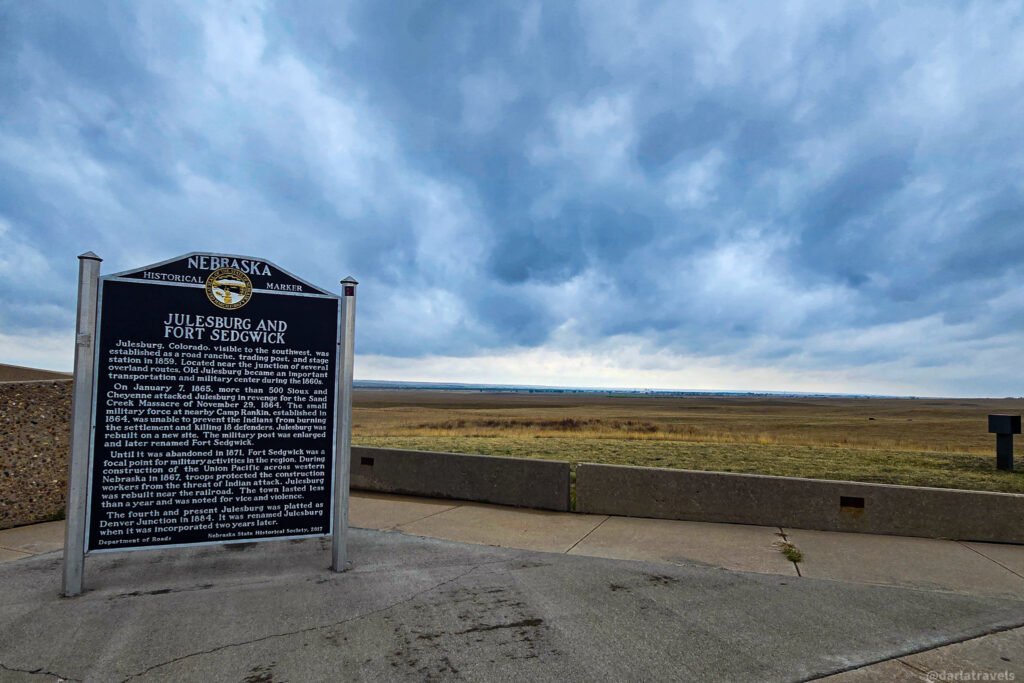
- Interpretive signs on the lawn describe the four Julesburg communities and show things to do around town.
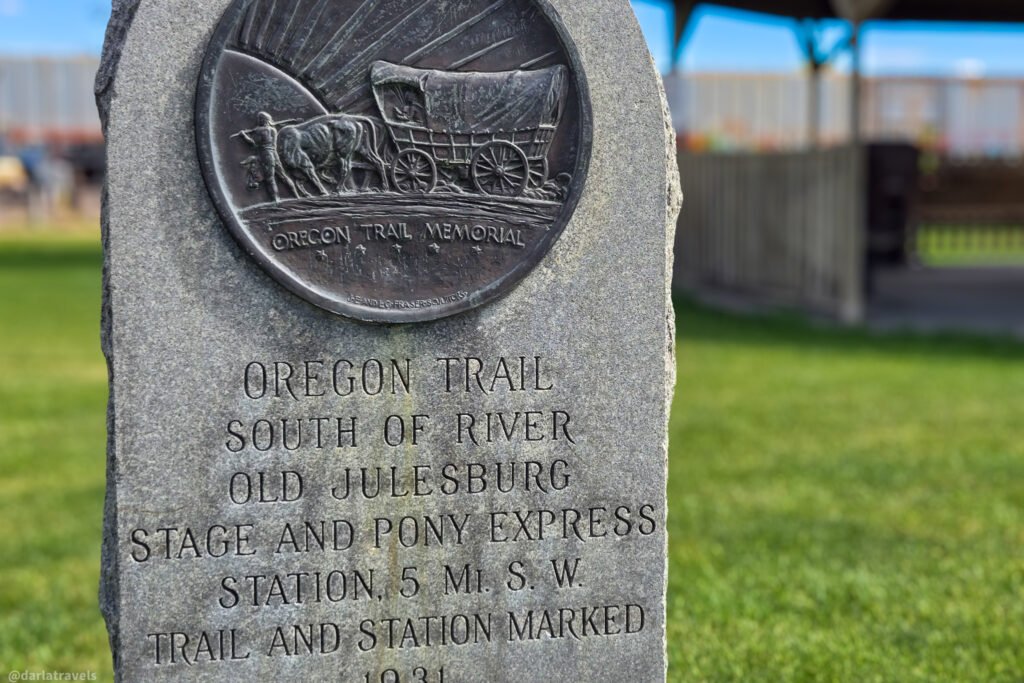
- Oregon Trail Marker from 1931 in a grassy park next to the Depot Museum.
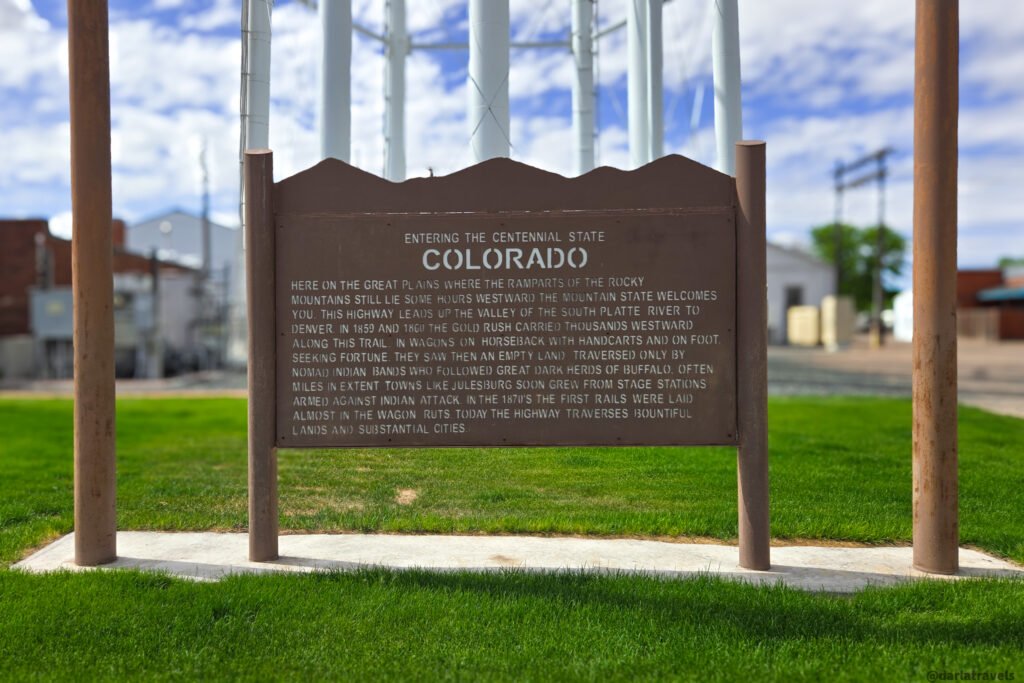
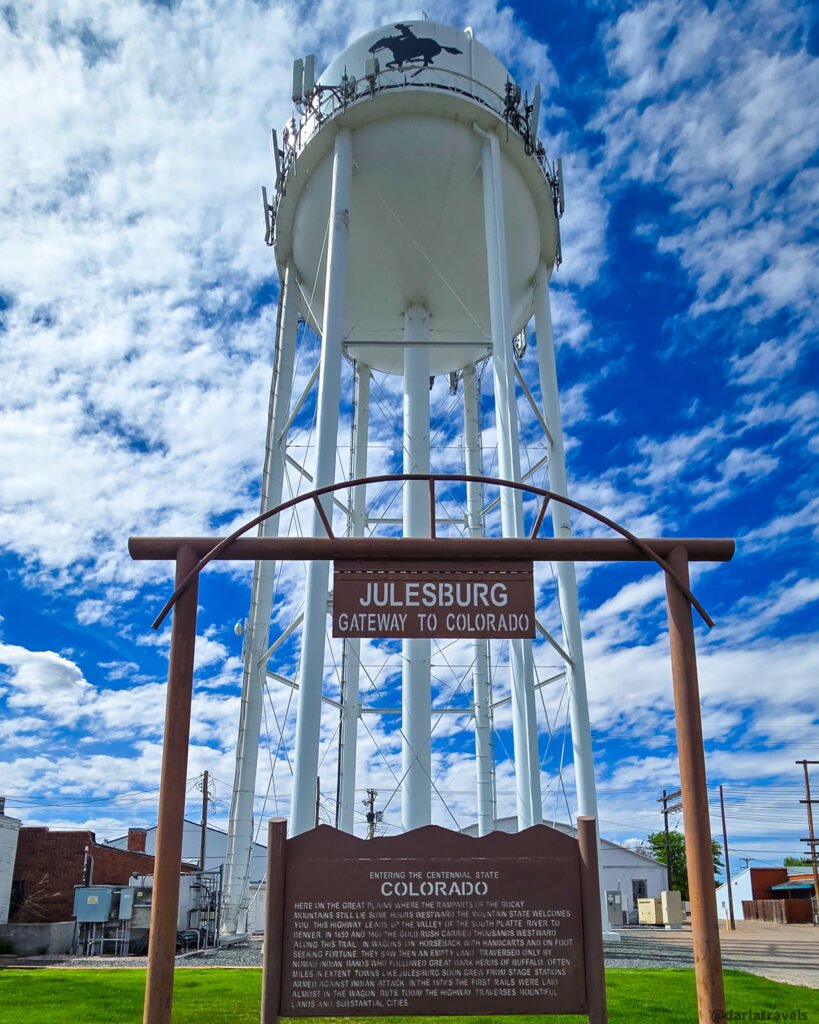
- A COLORADO sign in front of the Julesburg water tower (218 E 1st St.) explains the lay of the land in the Julesburg area in 1859.
Visiting Julesburg’s Museums
Julesburg’s museums offer a deeper look at the events and transportation networks that shaped this northeastern Colorado community. Three museums are in historic downtown Julesburg, and it takes only about three minutes to walk between them. The downtown area is approximately a 5-minute drive from the Colorado Welcome Center. The Fort Sedgwick Historical Society operates all three museums.
Online information on museum hours and opening times can be outdated and varies by season. Therefore, I recommend contacting the Fort Sedgwick Historical Society before your visit to ensure access to any of the three museums described below:
- By Phone: (970) 474-2061
- By Email: fortsedgwickhistoricalsociety “at” gmail.com
- By Fort Sedgwick Historical Society Facebook Page
Admission is free, with donations appreciated.
Fort Sedgwick Museum
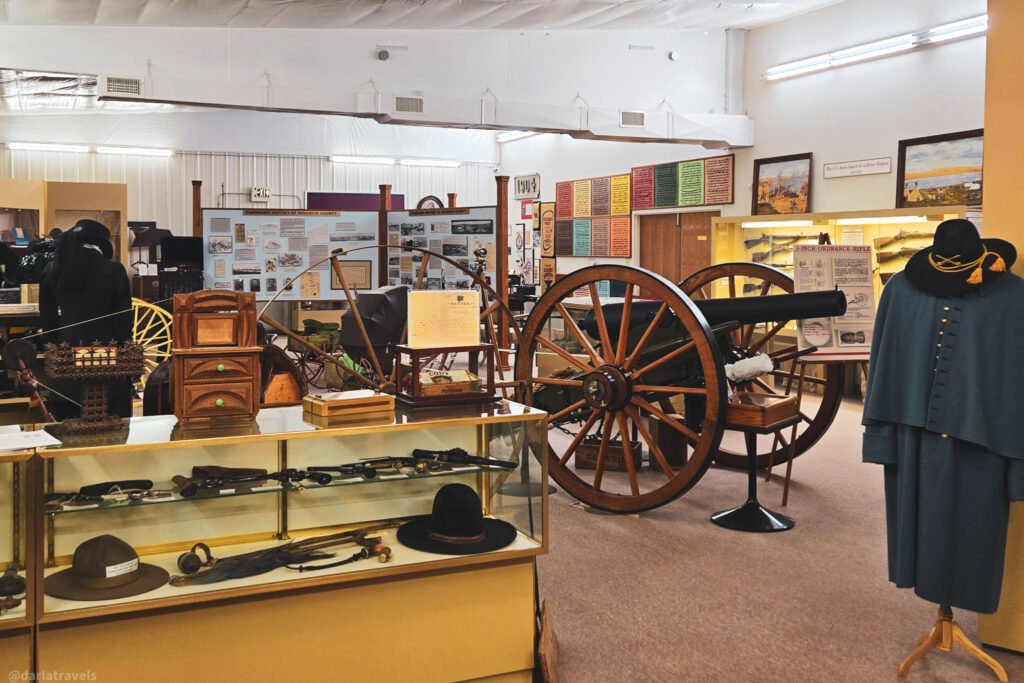
The Fort Sedgwick Museum (114 E 1st Street) is a must-see for understanding the layered history of the Julesburg area. The museum features Native American artifacts, Fort Sedgwick remnants, and exhibits on the Pony Express and the four Julesburg locations.
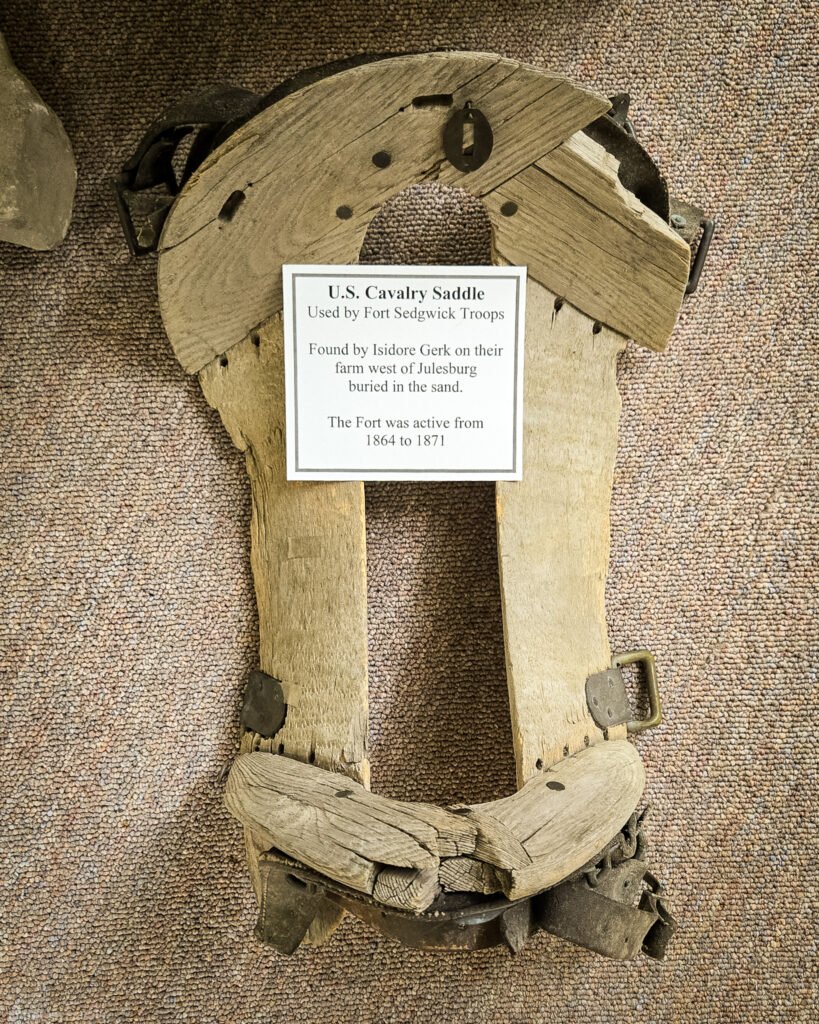
The Fort Sedgwick Museum is open year-round. Current information indicates that the hours are 10 AM – 3 PM, Tuesday-Friday.
The Old Ford Car Garage
The Old Ford Garage (112 E 1st St) is conveniently located right next door to the Fort Sedgwick Museum in a former car dealership building. In addition to antique Buick and Ford vehicles, the museum contains related signage from garages and gravity-fed gas pumps. The collection was the personal museum of Julesburg resident Leland “Lee” Kizer, who passed away in 2025.
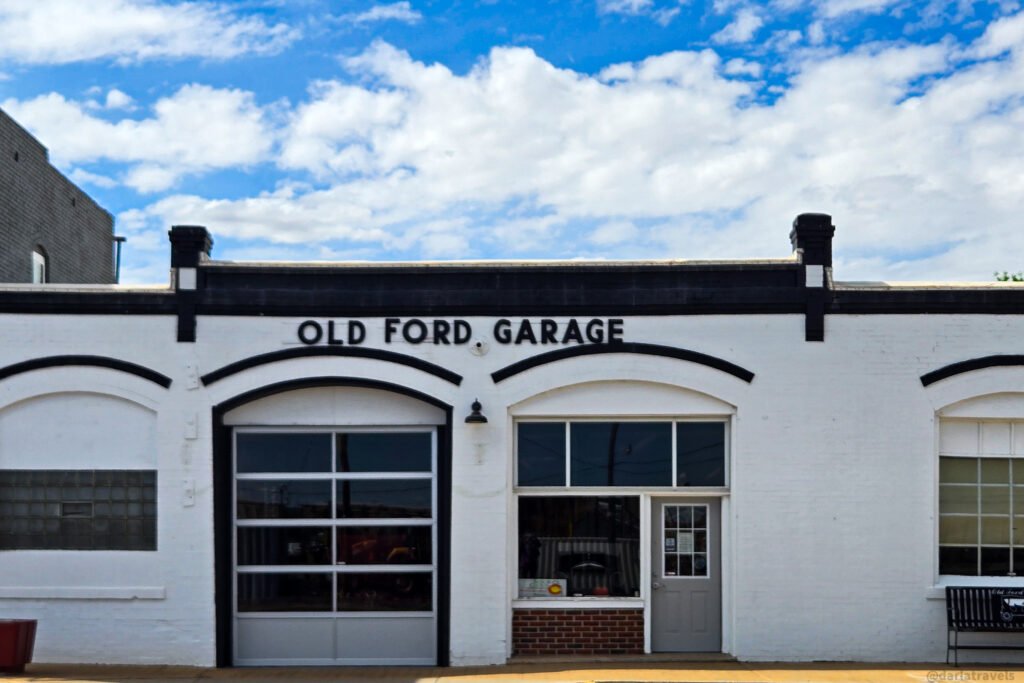
This museum is open by request. Contact the Fort Sedgwick Historical Society for information.
Julesburg Depot Museum
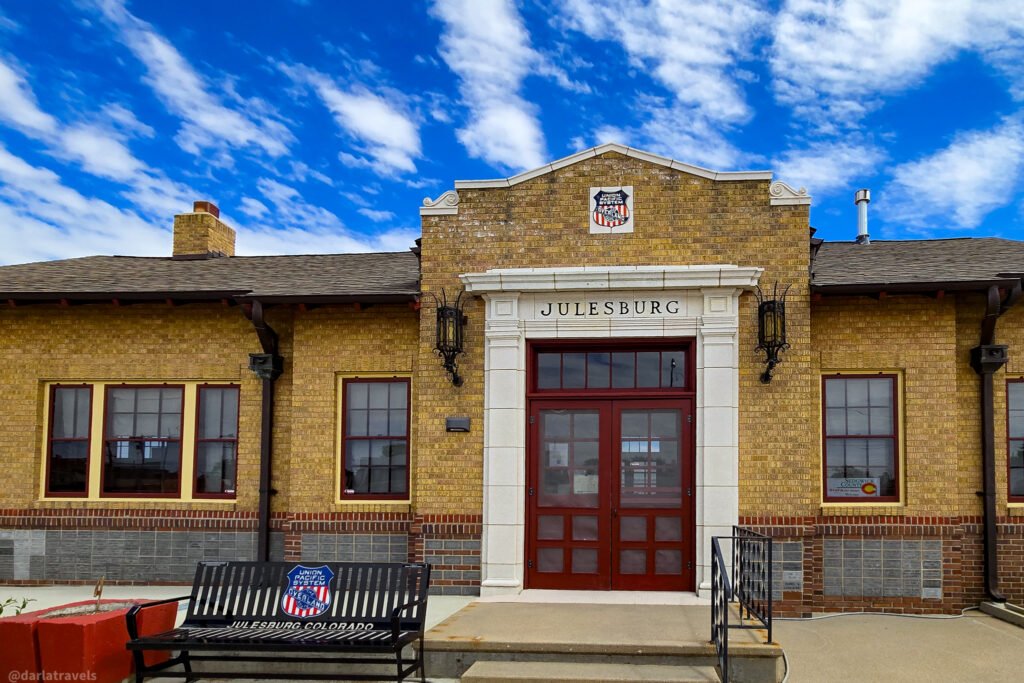
The Julesburg Depot Museum (201 W 1st Street) was added to the National Register of Historic Places in 2004. Completed in 1930, the one-story, gable-roofed building was designed to handle both freight and passenger rail traffic. Union Pacific closed the depot in 1971 as freight traffic declined and passenger service ended.
Julesburg citizens saved the building from demolition. Today, it still sits on land owned by Union Pacific Railroad, but 110 feet (33.5 m) from its original location.
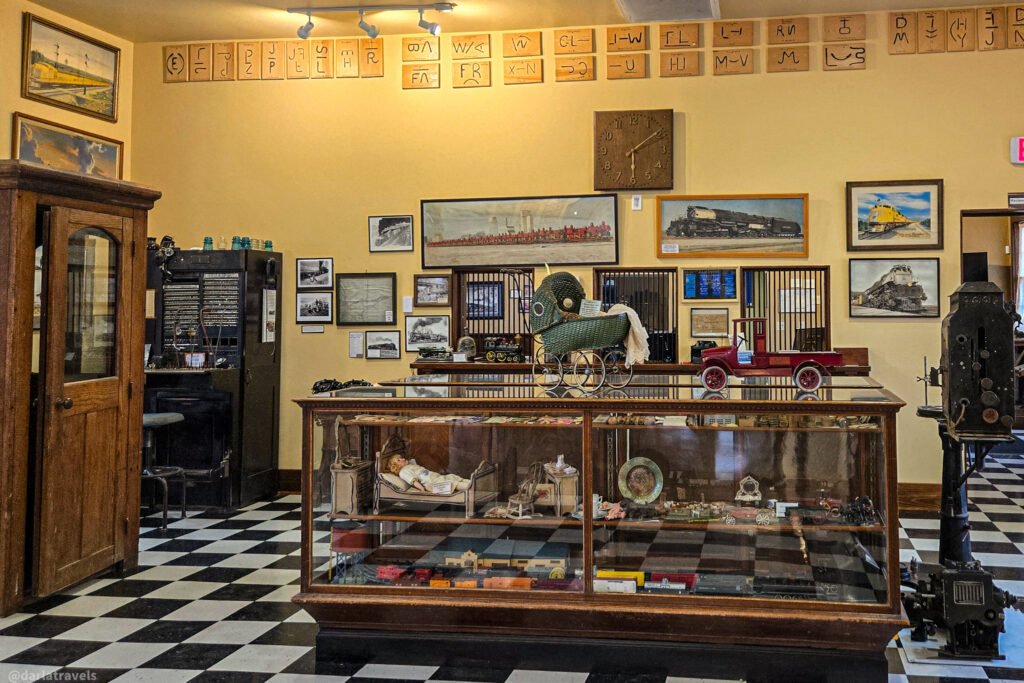
Inside and out, the depot retains many of its original features and furnishings. For example, the woodwork at the former passenger ticketing windows is beautifully preserved. Railroad history and town life in Julesburg are the main themes of this museum.
The Depot Museum is open from Memorial Day to Labor Day. Current information indicates the hours are 10 AM – 3 PM, Tuesday-Friday.
Downtown Julesburg Historical Walking Tour
After driving the South Platte River Trail Scenic and Historic Byway or visiting the museums, consider walking through Julesburg’s small downtown for a few more historic sites. The following tour is a flat 1-mile (1.6 km) route. This walking tour includes the historical markers along the Byway, in case you didn’t see them while driving.
This walking tour starts at the corner of 1st and Oak St. Because we’re walking a loop and the order of sights isn’t particularly important, you can start anywhere along the route. Parking is easy and free in Julesburg.
Julesburg has no traffic lights, and many street crossings are unmarked. Use caution when navigating around town. Also, there is little to no shade. Wear a hat and other sun protection while walking, and bring plenty of water to stay hydrated in the arid high plains environment.
Julesburg Walking Tour Map
I created this map on AllTrails for the Julesburg walking tour route.
If you don’t see the map or want to see the original, click here.
Julesburg Walking Tour Stops
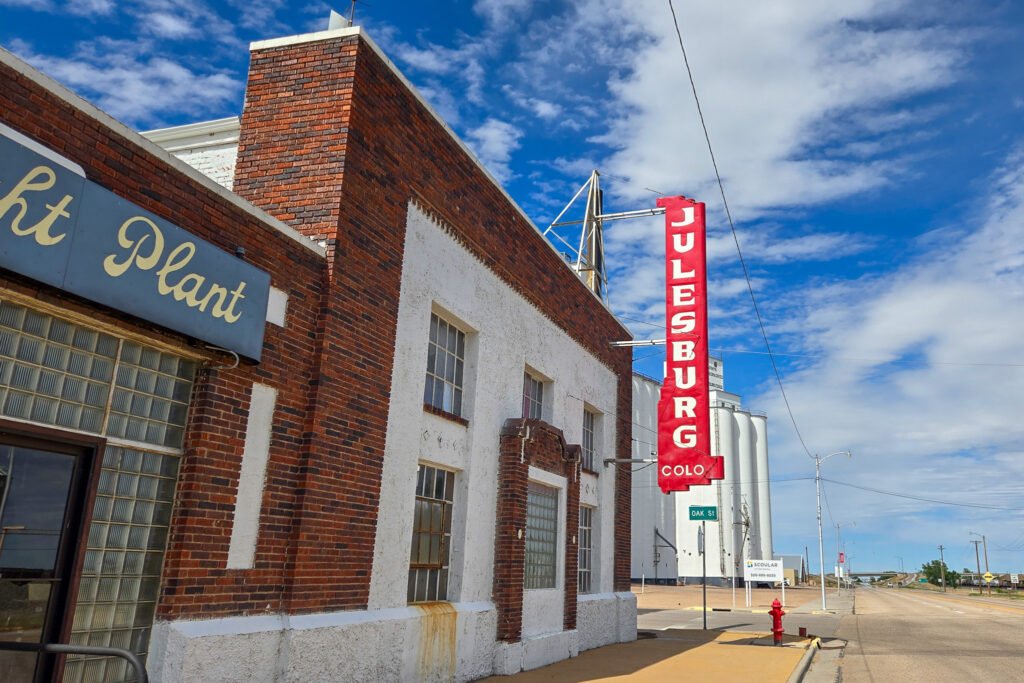
Stop 1. The Power Plant Building at 1st and Oak St. is easy to identify. It’s the one with the large red sign spelling out JULESBURG vertically. It’s especially attractive at night when it’s lit. Julesburg operates its own electrical distribution system. The Power Plant is only used for emergencies and standby needs.
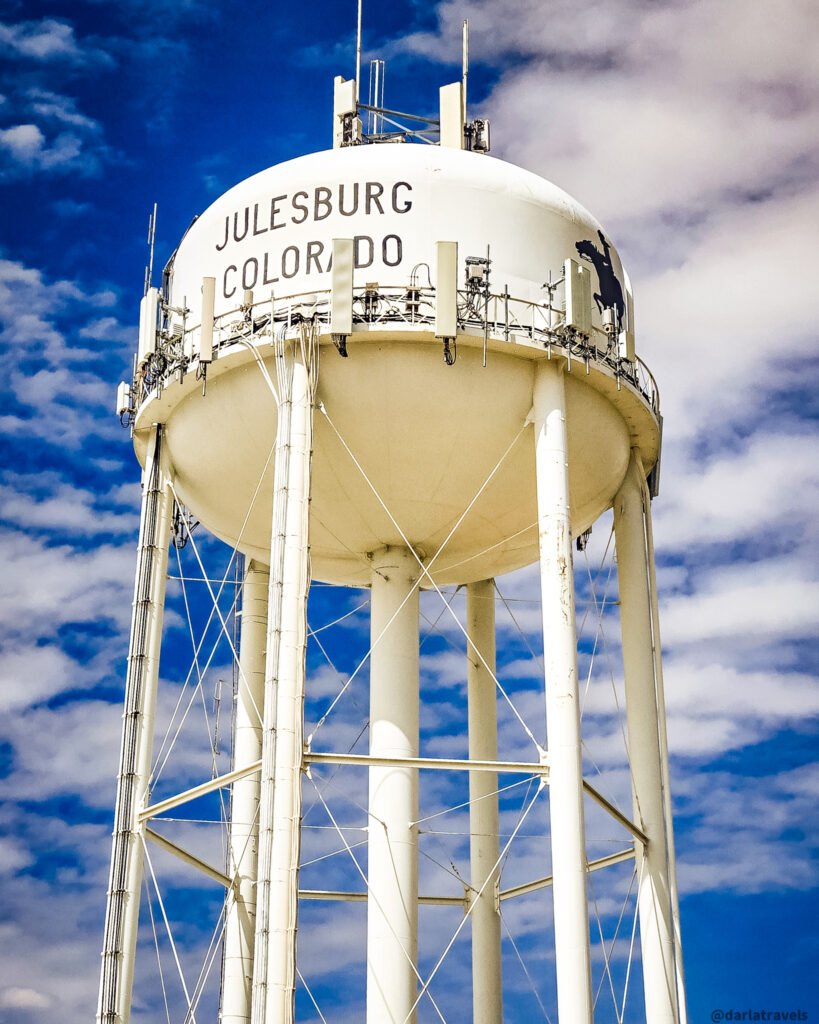
Stop 2. The COLORADO Sign in front of the Julesburg Water Tower (218 East 1st Street) provides context for the westward migration of gold-seekers and settlers in the South Platte River Valley. The water tower provides a dramatic photo opportunity.
Stops 3 and 4. Keep walking on 1st Street, and you’ll reach the Fort Sedgwick Museum (114 E 1st St.) and the Old Ford Garage Museum next door (112 E. 1st St.). The museums section above gives descriptions.
Stops 5-7. Turn right on Cedar St. for local businesses. You’ll immediately see the Timeless Suites accommodation (107 Cedar St.) and the Antiques & Artisans PLUS store (101 Cedar St.). One block later, you’ll see the D & J Cafe (114 Cedar St.), where you can stop for coffee or a full meal.
Stop 8. Julesburg City Hall (100 West 2nd St.) is the headquarters for town governance, utility billing, Town Manager/Clerk offices, municipal board meetings, and public services.
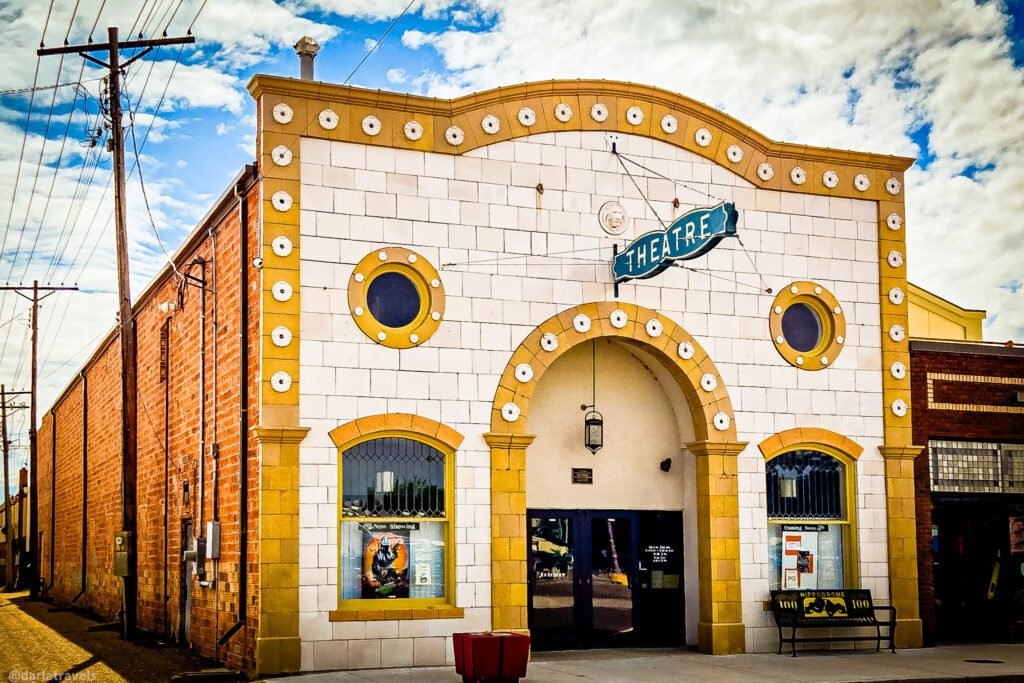
Stop 9. The whimsical Hippodrome Arts Center (215 Cedar St.), built in 1919, was Julesburg’s first real movie theatre. The theatre closed in 1922 for financial reasons, then changed hands a few times before ceasing operations in 1996. Julesburg citizens formed a nonprofit organization and raised funds to purchase, renovate, and reopen the building as a community cultural center. It’s in fantastic condition today, and its charm is undeniable.
Stop 10. Keep walking on Cedar Street. At the corner of 3rd and Cedar, note the 1961 War Veterans Memorial.
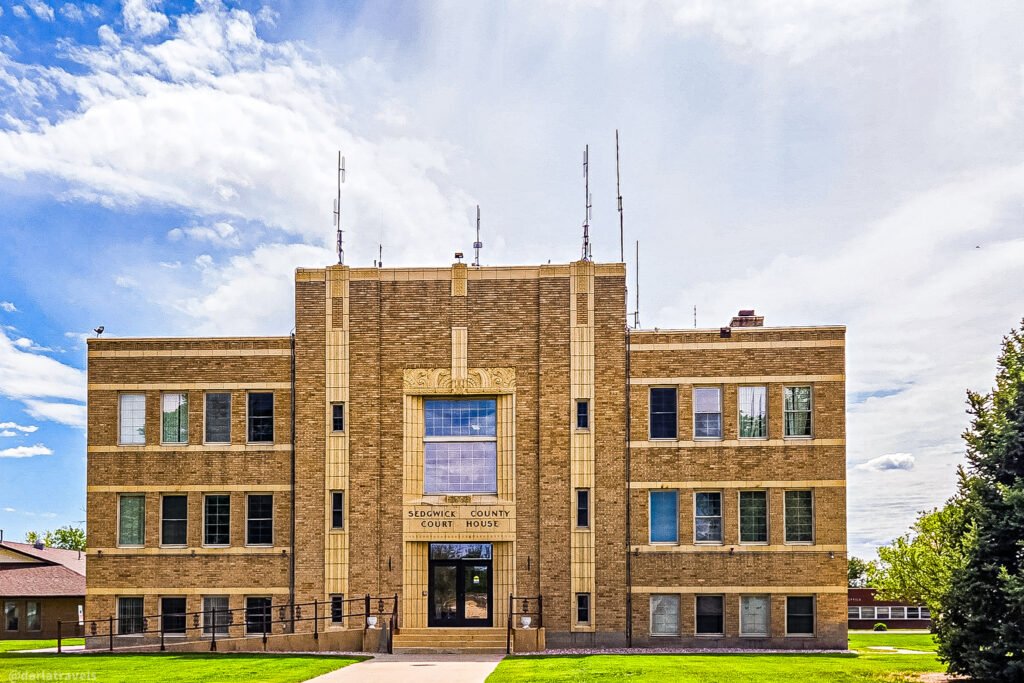
Stop 11. Behind the Memorial, the Sedgwick County Courthouse (315 Cedar St.) and its lawn occupy almost the entire city block. Built in 1938–1939, the Courthouse is a civic landmark funded by the WPA (Works Progress Administration) and designed by Denver architects Jamieson & Stiffler. Its construction provided jobs during the Great Depression and gave the county a larger government building. Built of reinforced concrete and faced with multi-hued buff brick and terra cotta trim, it features many Art Deco design elements.
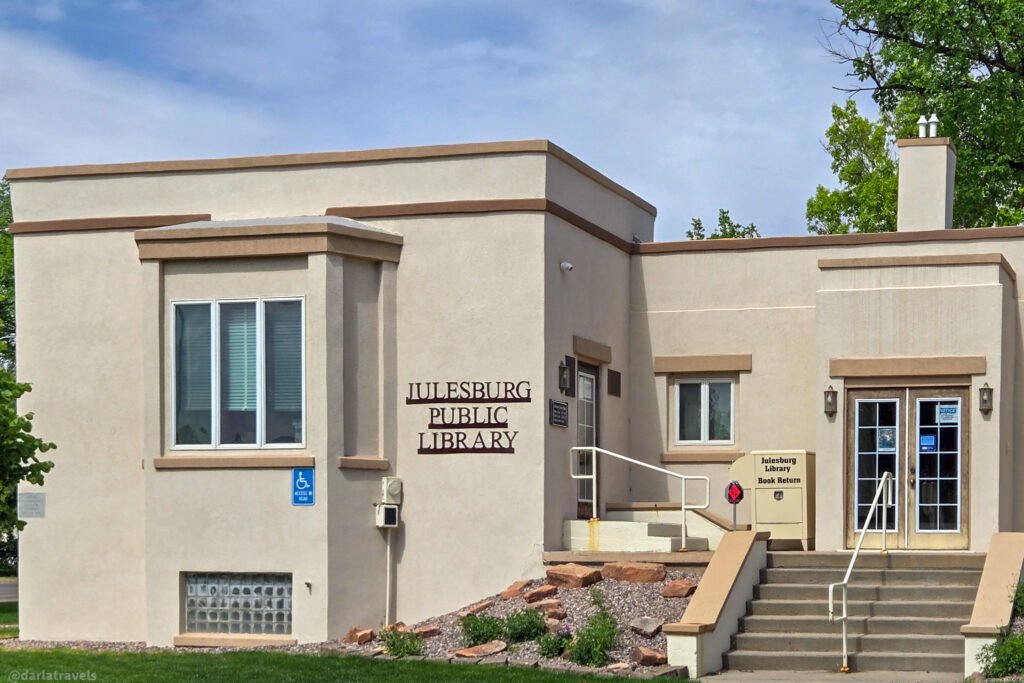
Stop 12. Across the street from the Courthouse, the Julesburg Public Library (320 Cedar St.) is another WPA-era project. The Julesburg Woman’s Club took on the task of securing funding for the project in 1935. Built of stucco over cinderblock, it was dedicated on October 8, 1937. Library hours: M, W, F: 8:30-12 & 1-5; T, R: 8:30-12:15 & 1-5; closed on most holidays.
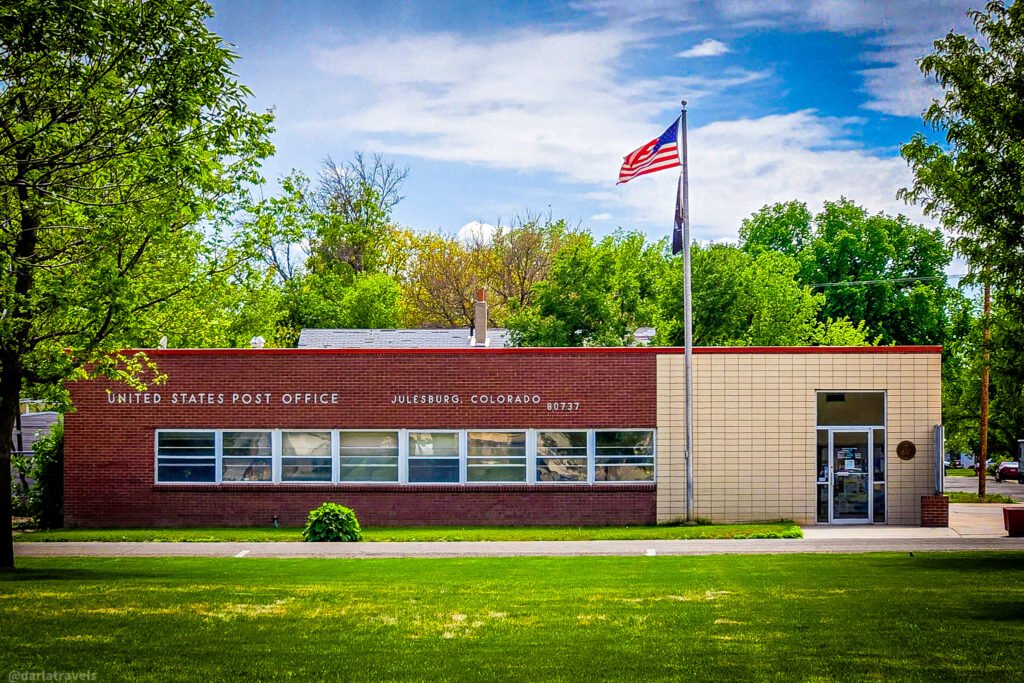
Stop 13. At the end of the block, turn left on W 4th St., walk one block, then turn left on Pine Street. The Julesburg Post Office (319 Pine Street) is a low-slung, single-story rectangular block with a completely flat roofline. Built in 1964, this modern counterpart to the Pony Express makes sending mail routine. But stop here for a minute and think about the effort it took to get a letter across the country in 1861!
Stop 14. Keep walking down Pine Street. Just a block from the post office, the Julesburg Tavern (215 Pine Street) is a longtime local watering hole serving simple bar food from early afternoon until late. It’s one of the few places in Julesburg to grab a meal, so if you’re hungry, don’t pass it by.
Stop 15-17. Continue walking down Pine Street to 1st St. The Depot Museum (201 West 1st St.) will be on the other side of 1st Street and slightly to your right. (See the museums section above for a description.) Outside the Museum, look for a 1961 Pony Express Marker, placed by the Fort Sedgwick Historical Society and the National Pony Express Centennial Association. To the right of the Museum, in a grassy area along 1st Street, a trio of interpretive signs describes the four Julesburgs and additional things to do in the Julesburg area.
Stop 18. Turn around, return to the museum, and keep walking down 1st St., passing by the Union Pacific Railroad Park. Use caution, as there is no sidewalk here. At the intersection of 1st and Cedar, look for an Oregon Trail Marker in the grass. Placed here in 193, it points visitors toward Old Julesburg’s stage and Pony Express station, said to be five miles (8 km) southwest, south of the river.
Tour End. The Oregon Trail Marker is the last stop on the tour. You can now return to your car. Or, if you’d like to extend the experience, you can continue exploring Julesburg’s downtown businesses and eateries.
Nearby Historical Markers in Colorado and Nebraska
If you’re interested in exploring the area around Julesburg for more history on westward migration on the Oregon Trail or Pony Express sites, see my companion article with a half-day loop drive from Julesburg. In Nebraska, stops include Chappell, Sidney, Brule, and Big Springs. These stops help tell a fuller story of the area.
Other Things to See and Do in Julesburg, Colorado
Beyond its historic trails and museums, Julesburg is a hospitable town with varied activities, some seasonal. With public parks, an outdoor community pool (seasonal), tennis courts, and a public golf course, Julesburg is a well-rounded community. But Julesburg has a few more noteworthy attractions you might want to add to your trip.
Visit the Julesburg Dragstrip
The Julesburg Dragstrip (17454 U.S. Highway 138)is the oldest drag racing track in the United States! You passed the drag strip on the Scenic Byway and likely saw the interpretive signs nearby. The track generally hosts events from late spring into early fall, and the Annual Hot Rod Revival event has been held for a decade.
Check the dragstrip website before planning a visit, since the event calendar varies by weekend.
Go Antique Shopping
Downtown Julesburg has a few shops with antiques and collectibles.
- Antiques & Artisans PLUS (101 Cedar St.) is in a restored historic building and sells antiques and new merchandise.
- The Treasure Trader (119 West Second St.) sells rare and obscure antiques. It’s generally open by appointment only.
See the Pony Express Re-Ride
If you visit in June, you might plan on seeing the National Pony Express Association’s annual Pony Express Re-Ride. During this 10-day, 24-hour-a-day commemorative event, riders reenact relay mail delivery across eight states. They use the historic route, including the Colorado segment near Julesburg.
Check the association’s annual schedule, the Colorado chapter information, and the Julesburg Welcome Center before finalizing plans. If you can’t attend in person, you can follow the riders virtually via GPS.
Get Outdoors
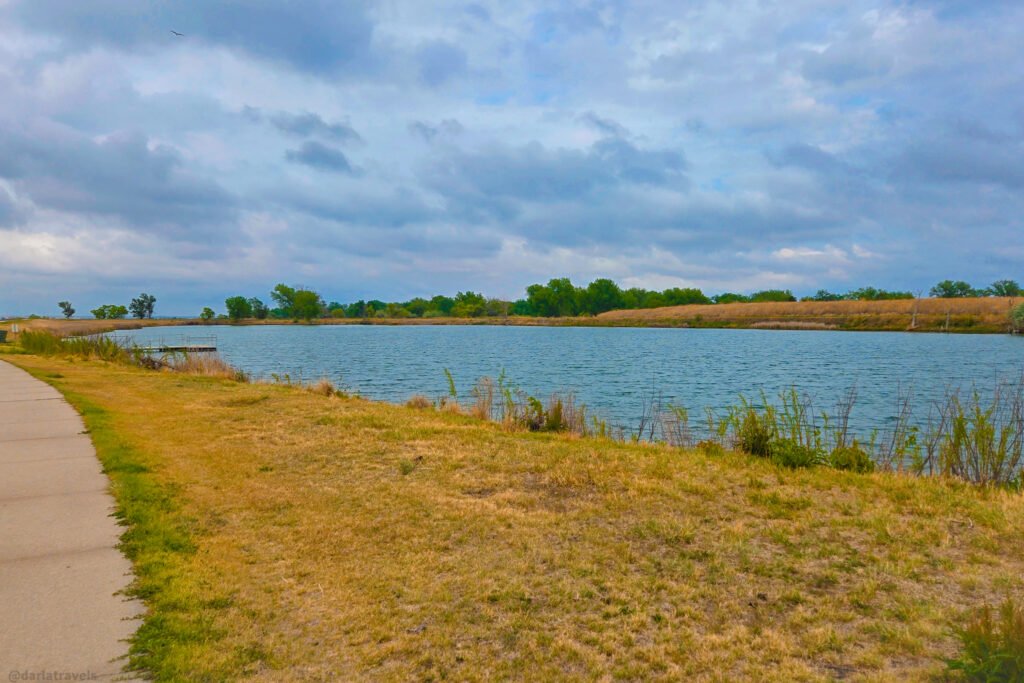
Stop at Julesburg’s DePoorter Lake for a paved 0.6-mile (1 km) loop around a small body of water. With parking, restrooms, a shaded picnic area, and wildlife viewing, this quiet outdoor space makes a great morning jaunt or a nice way to decompress after a busy day of sightseeing. Fishing is also permitted here (license required). I was fortunate to see a bald eagle hanging out here.
📍DePoorter Lake (written as “DPoorter Lake” on Google Maps) is between the Colorado Welcome Center and the town on the east side of US 385, north of the Platte River.
State Wildlife Areas
The Pony Express State Wildlife Area (SWA) lies within the boundaries of the Platte River Trail Scenic & Historic Byway and covers land on both sides of the South Platte River. This is a good area for bird-watching and wildlife spotting. Camping and fishing are not allowed, but certain types of hunting are allowed during permitted seasons. Check the official website for updated information.
For boating, fishing, camping, wildlife watching, or a day by the water, head to Jumbo (Julesburg) Reservoir SWA, about 24 miles (38.6 km) west of Julesburg. It offers fishing, hunting, camping, and a boat ramp, and the surrounding prairie-and-water habitat makes it a worthwhile stop for birders looking for waterfowl, shorebirds, raptors, and seasonal migrants.
Note: Anyone over 16 needs a valid Colorado hunting or fishing license or a State Wildlife Area pass (different than a State Parks Pass) to visit a Colorado SWA. Additionally, review the current seasonal regulations before you go.
Where to Stay and Eat in Julesburg, Colorado
Julesburg’s Timeless Suites (107 Cedar St.) occupies a restored 1906 commercial building. Each of the seven rooms and suites has its own name and matching furnishings.
For a modern option, choose the Cobblestone Inn & Suites – Julesburg. This hotel is part of a chain that focuses on serving smaller towns. (Other locations in Colorado include Lamar and Wray).
This hotel offers plenty of amenities. For example, there is a small on-site fitness center, a lounge serving food and beverages in the afternoon, a convenience store, and a guest laundry room. The lounge, open in the afternoon for adult beverages and light bites, doubles as the breakfast area. The complimentary breakfast includes cereals, breads, waffles, scrambled eggs, and breakfast meats.
The rooms are well appointed with a mini refrigerator, microwave, coffee maker with brand-name coffee sachets, premium toiletries, a work desk, and plenty of storage.
I had an extremely cozy 2-night stay in a double queen room (average price per night: $122.30, including taxes and fees, for a weekday stay in May, 2026).
You can book now at Julesburg’s Cobblestone Inn & Suites or use the map and links below to research and book lodging near Julesburg.
Book now at Booking.com ♦ Book now at Expedia ♦ Book now at Hotels.com
Video Walkthrough – Cobblestone Inn & Suites
This video shows a Cobblestone double queen room in Wray, Colorado, which was 99% identical to the room I stayed in while visiting Julesburg.
Eating in Julesburg, Colorado
Julesburg is small and has limited meal options.
The Pony Espresso Drive-Thru Café (15177 US-385) is Julesburg’s newest coffee shop, conveniently located near the highway and the Colorado Welcome Center.
There’s also a Subway sandwich shop nearby (15234 US-385).
Downtown, the D & J Cafe (114 Cedar St.) is a well-rounded diner/cafe serving coffee and classic breakfast, lunch, and dinner dishes.
The Julesburg Tavern (215 Pine St.) felt like a stereotypical small-town bar where locals are greeted by name, and the staff already knows their regular orders. It’s an unfancy place with simple, rustic decor. The double cheeseburger I ordered was flavorful and delicious; after all, Eastern Colorado is cattle country.

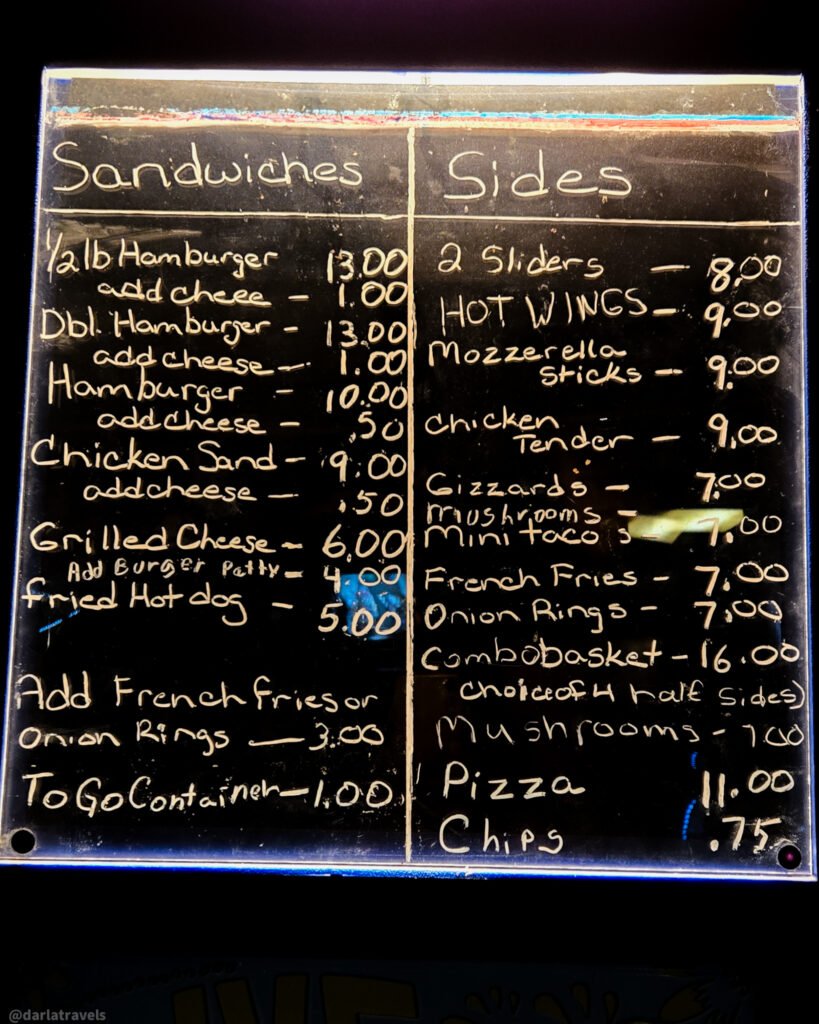
The lounge at the Cobblestone Inn & Suites has a limited food selection, but it was a good backup for dinner. One evening, I enjoyed beef tacos. Again, the local meat was tasty and satisfying.
Pin It for Later – Julesburg History Visit
Pin this guide to Julesburg, Colorado for a history-rich stop exploring the Pony Express, the South Platte River Trail Scenic and Historic Byway, Union Pacific Railroad history, Overland-trail sites, and more.
Wrapping Up a History-Themed Visit to Julesburg, Colorado
At first, Julesburg, Colorado might seem like a tranquil Eastern Plains town with not much to see. But layers and layers of history in Julesburg and its three predecessor towns reveal the rich heritage of the American West. Indigenous people, overland trail pioneers, Pony Express riders, stagecoaches, telegraph lines, and the transcontinental railroad all shaped Julesburg.
Whether you’re a history nerd, road tripper, or just an inquisitive traveler stopping at the Colorado Welcome Center, Julesburg offers a glimpse into multiple events and movements that had major ramifications for the development of the United States. If you’ve wondered whether a stop in Julesburg is worth it, well, my answer is: Absolutely!
We are guilty of stopping at the Julesburg Colorado welcome center, stretching our legs, and then driving on. Visiting the museums and historic downtown sounds like a wonderful half day though, so I’m hoping we can fit this into a future road trip.